Skip to content
Isaimozhi
Lyrics & meaning

Adho Anda Paravai

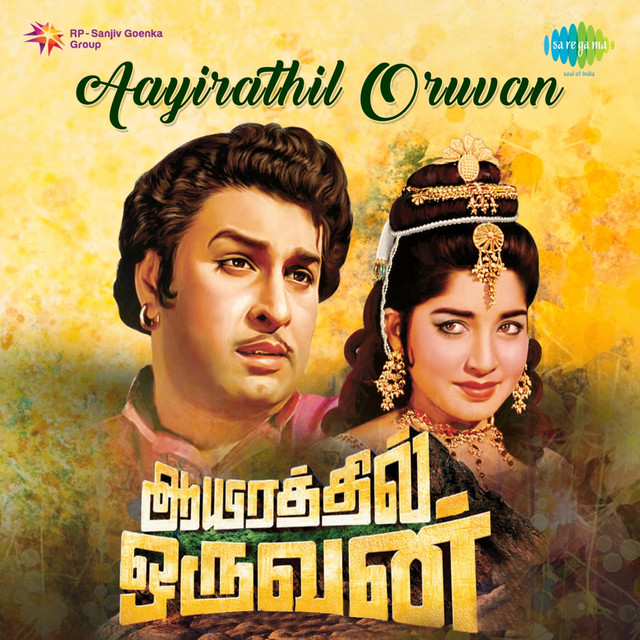
From Aayirathil Oruvan · 1965

Lyricist
Kannadasan
Singer
T. M. Soundararajan
Music director
M. S. Vishwanathan
Details
Aayirathil Oruvan1965

Lyrics & meaning

Tanglish lyrics English translation
Male
Adho andha paravaiLike that bird flying over there
Polae vaazha vendumWe must live free
Idho indha alaigalLike these waves right here
Polae aadavendumWe must dance
Male
{ Orae vaanilaeUnder the same sky
Orae mannilae } (2)On the same earth
Orae geetham urimaiOne single song, a song of rights
Geetham paaduvomWe shall sing that song
Chorus
Adho andha paravaiLike that bird flying over there
Polae vaazha vendumWe must live free
Idho indha alaigalLike these waves right here
Polae aadavendumWe must dance
Chorus
Orae vaanilaeUnder the same sky
Orae mannilaeOn the same earth
Orae geetham urimaiOne single song, a song of rights
Geetham paaduvomWe shall sing that song
Chorus
{ Lalaalaa laa lalaalaa laa } (2)Tra-la-la-la-la-la-la-la
Male
Kaatru nammaiThe wind does not step away
Adimai endru vilagavillaiyaeCalling us slaves
Kadal neerum adimaiEven the ocean water
Endru suduvadhillaiyaeDoes not burn us calling us slaves
Chorus
SuduvadhillaiyaeIt does not burn us
Male
Kaalam nammaiTime does not walk away
Vitu vitu nadapadhillaiyaeLeaving us behind
Kaadhal paasam thaaimaiLove, affection, and motherhood
Nammai marapadhillaiyaeDo not forget us
Chorus
Orae vaanilaeUnder the same sky
Orae mannilaeOn the same earth
Orae geetham urimaiOne single song, a song of rights
Geetham paaduvomWe shall sing that song
Chorus
Adho andha paravaiLike that bird flying over there
Polae vaazha vendumWe must live free
Idho indha alaigalLike these waves right here
Polae aadavendumWe must dance
Chorus
Orae vaanilaeUnder the same sky
Orae mannilaeOn the same earth
Orae geetham urimaiOne single song, a song of rights
Geetham paaduvomWe shall sing that song
Chorus
{ Lalaalaa laa lalaalaa laa } (2)Tra-la-la-la-la-la-la-la
Male
Thondrumbodhu thaaiWhen being born
Illaamal thondravillaiyaeWe were not born without a mother
Sollillaamal mozhiyillaamalWithout words or without language
PesavillaiyaeWe did not speak
Chorus
PesavillaiyaeWe did not speak
Male
VaazhumbodhuWhile living
Pasiyillaamal VaazhavillaiyaeWe did not live without hunger
Pogumbodhu verupaadhaiWhen departing life, a different path
PogavillaiyaeWe do not travel
Chorus
Orae vaanilaeUnder the same sky
Orae mannilaeOn the same earth
Orae geetham urimaiOne single song, a song of rights
Geetham paaduvomWe shall sing that song
Chorus
{ Lalaalaa laa lalaalaa laa } (2)Tra-la-la-la-la-la-la-la
Male
Kodi makkal serndhuMillions of people united together
Vaazha vendum viduthalaiMust live in freedom
Koyil polae naadu kaanaTo see the nation like a sacred temple
Vendum viduthalaiFreedom is required
Chorus
Vendum viduthalaiFreedom is required
Male
Achamindri aadipaadaTo sing and dance without fear
Vendum viduthalai adimaiFreedom is required; wherever slaves
Vaazhum boomi yengumLive across this earth
Vendum viduthalaiFreedom is required
Chorus
Orae vaanilaeUnder the same sky
Orae mannilaeOn the same earth
Orae geetham urimaiOne single song, a song of rights
Geetham paaduvomWe shall sing that song

Beyond the translation

Song interpretation

Adho Andha Paravai Polae is a celebrated anthem of freedom, equality, and human dignity from the 1965 film Aayirathil Oruvan. Sung with stirring enthusiasm, the protagonist calls upon oppressed individuals to break the chains of servitude and live joyfully, drawing parallels to the uninhibited freedom seen in birds flying in the sky and ocean waves rolling onto the shore. Kannadasan poetically illustrates that elements of nature—wind, water, and time—do not discriminate against anyone based on social status, as all human beings undergo the same fundamental journey of birth, hunger, love, and mortality. The song elevates into a passionate rally for universal liberty, declaring that millions must unite to claim their fundamental rights. It envisions a world transformed into a sacred temple where people can dance and sing without fear, advocating for liberation across every land where human beings are subjected to bondage.

Writing craft

Poetic devices

Simile (Uvamai)

Adho andha paravai Polae vaazha vendum

Compares the desired uninhibited human freedom to the natural movement of birds and ocean waves using 'Polae' (like).

Anaphora (Repetition / Monai)

Orae vaanilae / Orae mannilae / Orae geetham

Repeated use of 'Orae' (One/Same) at the beginning of consecutive lines to emphasize human equality and shared existence.

Personification

Kaatru nammai Adimai endru vilagavillaiyae

Attributes human prejudice to natural elements like wind, ocean, and time, emphasizing that nature does not discriminate against slaves.

Rhyme / Parallel Structure (Etukai)

Thondrumbodhu thaai... Vaazhumbodhu... Pogumbodhu verupaadhai

Rhythmic rhyming structure reflecting different stages of life through Tamil suffixes ('Thondrumbodhu', 'Vaazhumbodhu', 'Pogumbodhu').

Did you know?

Trivia

Composed by the legendary duo Viswanathan-Ramamoorthy and rendered by T. M. Soundararajan, this song became an iconic anthem closely associated with M. G. Ramachandran's screen persona and political ideology. Its philosophical lyrics on equality and freedom played a major role in establishing MGR's image as a messiah of the masses.

Keep listening

More from Aayirathil Oruvan