- Lyricist
- Kannadasan
- Singer
- P. Susheela
- Music director
- K. V. Mahadevan
- Movie name
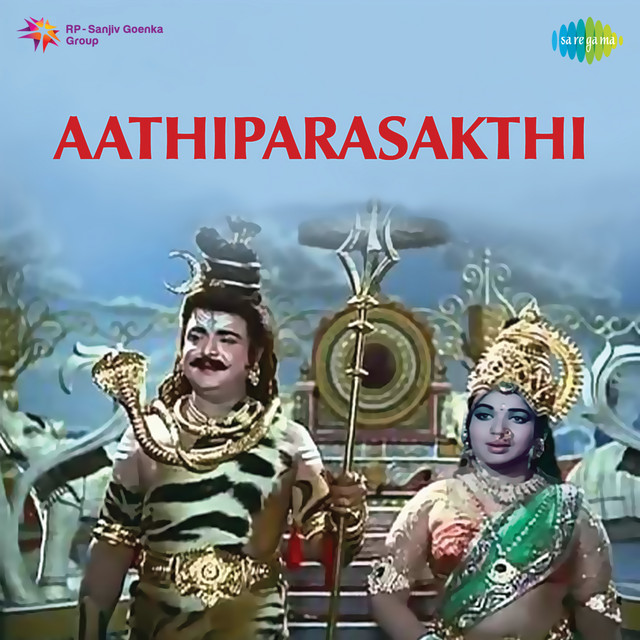
- Aathi Parasakthi
- Movie release year
- 1971
- Lyrics added on
- 26 Oct 2017
Lyrics & meaning
Beyond the translation
Overall song meaning
This song is a powerful devotional hymn addressed to Goddess Mariamman (an incarnation of Aathi Parasakthi / Kali). The devotee begins by praising the divine attributes, sacred places, and ritual instruments associated with the Goddess—such as the silambu (anklet), udukkai, and pambai drums. The lyrics highlight her formidable duality: she punishes arrogance and mockery severely, yet transforms into a deeply compassionate mother for those who seek forgiveness and grace. In the second half, the song portrays a tender plea for healing. The singer prays on behalf of an afflicted child, asking the Goddess to remove his illness (metaphorically represented by smallpox/fever marks). Praising the medicinal and mystical powers of neem leaves—the sacred emblem of Goddess Kali—the devotee begs the Mother Goddess to relent, soften her heart, and bestow divine health and mercy upon her suffering child.
Writing craft
Poetic devices
Edhugai (Second-letter Rhyming)
“Silambu piranthathammaa / Pirambu piranthathammaa”
The second letters of consecutive lines rhyme, creating a rhythmic, chant-like cadence (e.g., 'Silambu' and 'Pirambu', 'Kaththi' and 'Eetti').
Monai (Alliteration)
“Maayi magamaayi / Mani manthira sekariyae”
Repetition of initial consonant sounds across words in a line (M-alliteration) to enhance musicality.
Upamai (Simile)
“Kaththi pol veppilaiyaam / Eetti pol veppilaiyaam”
Comparing sacred neem leaves to sharp weapons (knife and spear) to represent their potent power in severing disease.
Anaphora / Repetition (Anaphora)
“Aayaa manamiranggu / En aaththaa manam iranggu / Ammaiyae nee irangu / En annaiyae nee iranggu”
Repetition of the pleading phrase 'manam iranggu' / 'nee irangu' at the end of consecutive lines for dramatic, emotional effect.
Did you know?
Trivia
This iconic devotional song is featured in the Tamil mythological film 'Aathi Parasakthi' (1971), directed by K. S. Gopalakrishnan. The film features Jayalalithaa playing the role of Goddess Parasakthi and Gemini Ganesan as Lord Shiva. The song captures authentic folk traditions of Mariamman worship in Tamil Nadu, including the use of neem leaves and ritualistic drumming.
Keep listening
Songs with a similar feeling
From the same album
More songs from Aathi Parasakthi
View albumSpot an issue?
Help us improve the lyrics or English translation.