- Lyricist
- Mahakavi Subramanya Bharathiyaar
- Singer
- K. J. Yesudas
- Music director
- M. B. Sreenivas
- Movie name
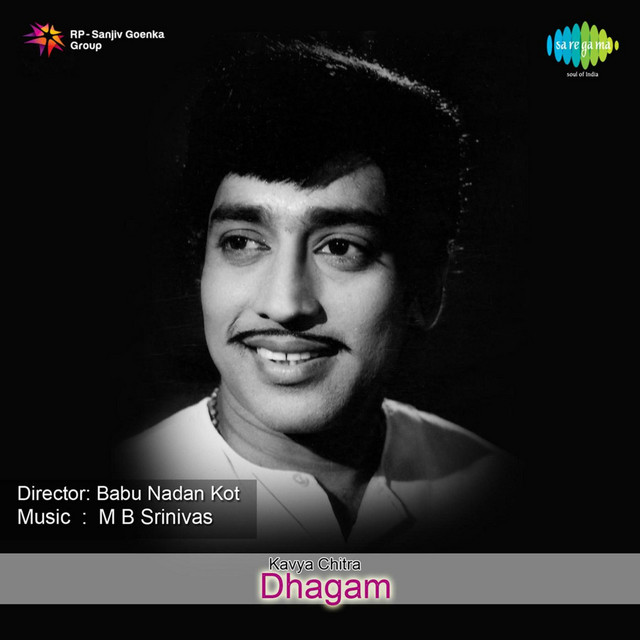
- Dhaagam
- Movie release year
- 1974
- Lyrics added on
- 15 May 2021
Lyrics & meaning
Beyond the translation
Overall song meaning
This classic poem by Mahakavi Subramanya Bharathiyar contrasts the divine light of nature with the inner darkness of the human mind. The poet observes how the sun's radiant light permeates every aspect of creation—the sky, mountains, oceans, land, trees, forests, and riverbanks are all bathed in brightness. In stark contrast to this outer illumination, Bharathiyar laments that human beings alone harbor darkness, ignorance, and gloom within their hearts. He expresses deep sorrow and philosophical wonder at why humans remain blind to light when all of nature is so splendidly illuminated.
Writing craft
Poetic devices
Antithesis (Contrast)
“Maanavan than ulathanil mattum / Vandhu nirkkum irulidhu vennae”
Creates a profound contrast between the universal light shining throughout nature and the dark ignorance residing inside the human heart.
Anaphora (Repetition)
“Vaan engum parithiyin sothi”
The phrase 'parithiyin sothi' (light of the sun) is repeated at the end of multiple lines to emphasize the omnipresence of light.
Visual Imagery
“Tharaiyin meedhum tharukkalin meedhum”
Uses vivid descriptions of natural elements like sky, mountains, oceans, trees, and riverbanks to build a glowing visual landscape.
Did you know?
Trivia
The song uses lyrics penned by the revolutionary Tamil poet Mahakavi Subramanya Bharathiyar. Set to music by M. B. Sreenivas for the 1974 film 'Dhaagam', this poem was rendered by K. J. Yesudas, capturing the deep philosophical essence of Bharathiyar's reflection on human nature versus natural grace.
Keep listening
Songs with a similar feeling
From the same album
More songs from Dhaagam
View albumSpot an issue?
Help us improve the lyrics or English translation.