- Lyricist
- Papanasam Sivan
- Singer
- N. S. Krishnan
- Music directors
- G. Ramanathan, C. R. Subbaraman
- Movie name
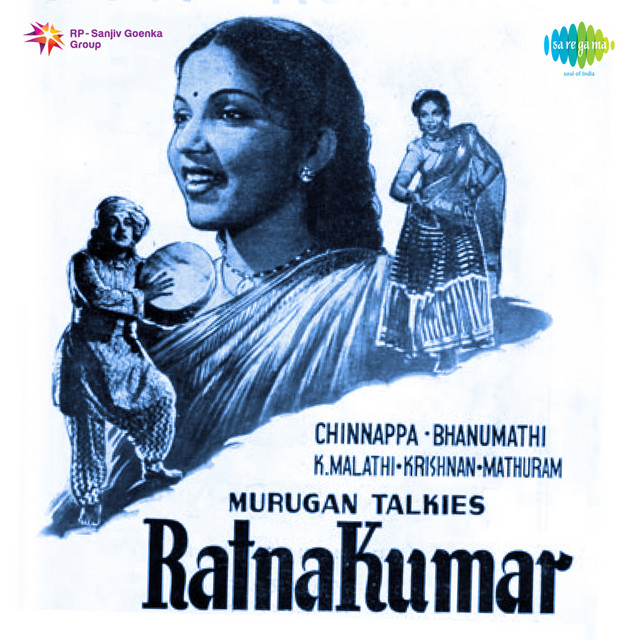
- Rathna Kumar
- Movie release year
- 1949
- Lyrics added on
- 15 May 2020
Lyrics & meaning
Beyond the translation
Overall song meaning
This lighthearted yet philosophical song from Rathna Kumar (1949) personifies the singer's stomach or belly as a paternal deity ('Undhiyappa' / 'Thondhiyappa') whose nourishment allows the body to flourish. Beneath its humorous exterior, the lyrics deliver sharp moral and social commentary. It notes how perspective defines divinity: wealth is God to the affluent, while basic food is God to the starving. Furthermore, it embeds socialistic values by declaring that anyone who accumulates wealth beyond their basic necessities is essentially a thief, and those who passively resign themselves to fate or curse God instead of taking action are visually and intellectually blind.
Writing craft
Poetic devices
Personification / Apostrophe
“Undhiyappaa en thondhiyappaa”
Addressing the stomach ('Undhi' / 'Thondhi') affectionately as a divine father figure ('Appa') to whom gratitude is expressed for bodily growth.
Edugai (Second Letter Rhyme)
“Paruppum sorum pasithavan dheivam”
The second letter harmony ('ru' / 'si') between 'Paruppum' and 'Pasithavan' creates classic Tamil poetic Edugai rhythm.
Antithesis / Parallelism
“Panamum kaasum paruthavan dheivam / Paruppum sorum pasithavan dheivam”
Contrasting the perception of God between the rich man (wealth) and the hungry man (food) highlights social divides.
Metaphor
“Thaevaikkumelae saerppavan thirudan”
Equating a hoarder to a thief and a fatalist to a blind person directly conveys ethical commentary through metaphor.
Did you know?
Trivia
Written by renowned Carnatic composer and lyricist Papanasam Sivan for the 1949 film 'Rathna Kumar' (which starred P. U. Chinnappa and M. G. Ramachandran), this song cleverly disguises early socialist and Gandhian principles—such as anti-hoarding and human dignity—within comedic belly-worship lyrics.
Keep listening
Songs with a similar feeling
From the same album
More songs from Rathna Kumar
View albumSpot an issue?
Help us improve the lyrics or English translation.