- Lyricist
- Vairamuthu
- Singer
- Arvind Swamy
- Music director
- A. R. Rahman
- Movie name
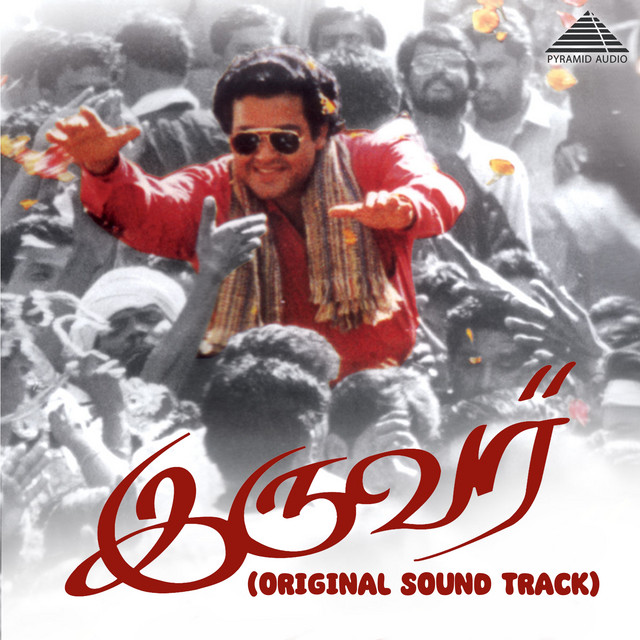
- Iruvar
- Movie release year
- 1997
- Lyrics added on
- 31 Jul 2017
Lyrics & meaning
Beyond the translation
Overall song meaning
Udal Mannukku is an intense patriotic and martial anthem from Mani Ratnam's 1997 political drama Iruvar. Written by Vairamuthu, the song serves as a powerful rallying cry celebrating Tamil linguistic identity, territorial sovereignty, and martial courage, mirroring the Dravidian political rhetoric of mid-20th century Tamil Nadu. The lyrics draw heavily upon ancient Sangam literary traditions, establishing a profound cultural ethos where life itself is subordinate to language and land. Beyond political pride, the song conveys a sense of absolute defiance against oppressors, utilizing vivid and fiery imagery of sacrifice, battle, and retribution to ignite revolutionary fervor in the listener.
Writing craft
Poetic devices
Iyaibu (End Rhyme)
“Udal mannukku / Uyir thamizhukku / Idhai urakka solvom ulagukku”
The song uses matching end suffixes like 'mannukku', 'thamizhukku', and 'ulagukku' to create an authoritative, chant-like rhythm suited for a political anthem.
Allusion (Sangam Literature Motif)
“Pirandha kuzhandhai irandhu pirandhaal vaalaal keeri pudhaippom”
Refers directly to the ancient Sangam tradition documented in Purananuru, where dead or stillborn infants were slashed with a sword before burial so they wouldn't depart without a warrior's wound.
Metaphor
“Nam vettri paadhayil narigal vandhaal”
Refers to treacherous or deceitful enemies as cunning 'foxes' blocking the path to victory.
Hyperbole (Exaggeration for Effect)
“Yengal mannai thottavan kaalgal yengal nilaththil uramaagum”
Exaggerates the fate of invaders to depict absolute dominance, claiming enemy limbs will serve as soil fertilizer and kitchen fuel.
Did you know?
Trivia
The line about slashing stillborn infants with a sword is a direct adaptation of a classical Tamil heroic poem from the Purananuru anthology (Verse 74/86 tradition), reflecting the 'Veera Yugam' (Heroic Age) concept that dying without battle scars was considered dishonorable for Tamil warriors.
Keep listening
Songs with a similar feeling
From the same album
More songs from Iruvar
View albumSpot an issue?
Help us improve the lyrics or English translation.