- Lyricist
- Thanjai N. Ramaiah Dass
- Singers
- K. Sarangapani, Chorus
- Music director
- Rajeswara Rao
- Movie name
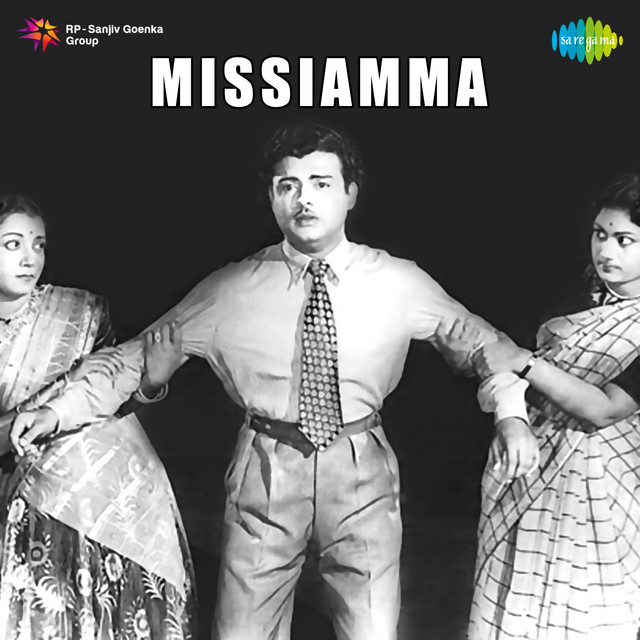
- Missiamma
- Movie release year
- 1955
- Lyrics added on
- 10 Feb 2019
Lyrics & meaning
Beyond the translation
Overall song meaning
This classic satirical song from the 1955 film 'Missiamma' uses the holy chanting refrain of 'Seetharam' as a stark, ironic contrast to expose social corruption, hypocrisy, and deceit. Lyricist Thanjai N. Ramaiah Dass presents a lighthearted yet sharp commentary on self-proclaimed leaders who trick the public, charlatans who misappropriate donation funds for horse-race gambling, pretended scholars with minimal education, and opportunists who flatter only until their self-interests are satisfied. The song concludes that in this modern dark age (Kali Yuga), superficial vanity and fraud have become the norm, juxtaposing human dishonesty against divine chantings.
Writing craft
Poetic devices
Irony and Satire (Nindha Stuthi / Satire)
“Seetharam seetharam ... Ullae vigaram”
The continuous repetition of the pious religious chant 'Seetharam' juxtaposed with descriptions of societal trickery creates a sharp satirical effect.
Ethukai (Second-letter rhyme)
“Kaariyam saathikka / Taekka kodupaaraam”
The second consonant sound matches across lines, creating rhythmic cadence in Tamil folk verse, such as 'Kaariyam' and 'Taekka' or 'Undiyum' and 'Gindi'.
Sorrporul Pinvarunilayani (Anaphora)
“Kaariyam saathikka ... Kaariyam mudinjaa”
The term 'Kaariyam' (task/purpose) is repeated at the beginning of phrases to emphasize how human interaction is driven by selfish ends.
Colloquial Metaphor / Idiom
“Thalaiyila milagaai Araichiduvaaraam”
'Thalaiyila milagaai araichiduvaaraam' (grinding chili on someone's head) is a famous Tamil idiom meaning to dupe or trick someone cunningly.
Did you know?
Trivia
'Missiamma' (1955), directed by L. V. Prasad, is an iconic romantic comedy in South Indian cinema. The music was composed by S. Rajeswara Rao and the playback for this satirical track was rendered by S. C. Krishnan. The song gained enduring popularity for its witty portrayal of contemporary social vices disguised behind traditional devotional chants.
Keep listening
Songs with a similar feeling
From the same album
More songs from Missiamma
View albumSpot an issue?
Help us improve the lyrics or English translation.