Skip to content
Isaimozhi
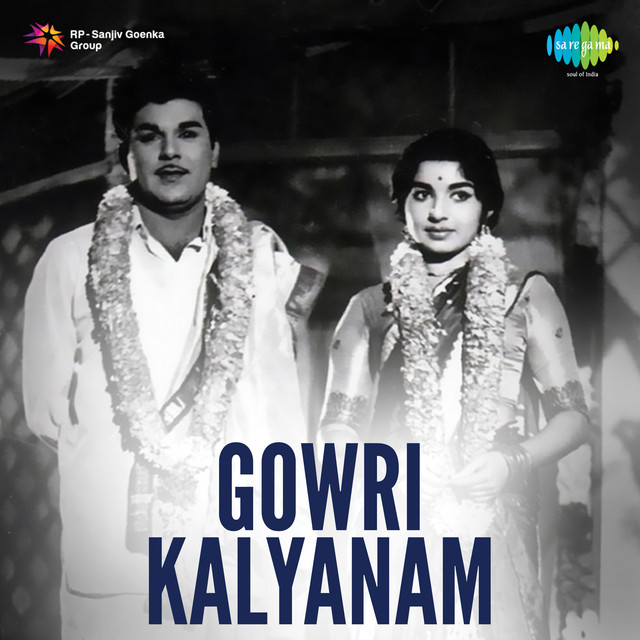
Gowri Kalyanam album cover
Lyrics & meaning

Oruvar Manathai Oruvar

From Gowri Kalyanam · 1966

Lyricist
Kannadasan
Singer
T. M. Soundararajan
Music director
M. S. Vishwanathan
Movie name
Gowri Kalyanam
Movie release year
1966
Lyrics added on
21 May 2020

Lyrics & meaning

♫ Tanglish lyrics
↻ English translation
Oruvar manadhai oruvar ariya
Udhavum sevai idhu
Vaazhvai inaikkum paalam idhu
Oruvar manadhai oruvar ariya
Udhavum sevai idhu
Vaazhvai inaikkum paalam idhu
Thaayai pirintha pillai endraalum
Thaaram pirindha kanavan endraalum
Thaayai pirintha pillai endraalum
Thaaram pirindha kanavan endraalum
Udan piranthorin pirivendra podhum
Pirivu thuyaram pesidum kaditham
Oruvar manadhai oruvar ariya
Udhavum sevai idhu
Vaazhvai inaikkum paalam idhu
Kaalam ennum deiva magal
Kalanga veippaval sirikka veippaval
Kaalam ennum deiva magal
Kalanga veippaval sirikka veippaval
Enthentha uraiyil enna enna kadhaiyo
Enthentha mugathil enna enna varumo
Sugamum varalaam thunbamum varalaam
Iraivan arulaal nalamae varuga
Oruvar manadhai oruvar ariya
Udhavum sevai idhu
Vaazhvai inaikkum paalam idhu
Kanniyarae kaalam varuga
Kadhalarin thoodhu varum
Pillai anuppum velli panam nooru
Annai mugathil aanandham paaru
Maganai ninaithu mayangum manamae
Viraivil varuvaan murugan arulvaan
Maganai ninaithu mayangum manamae
Viraivil varuvaan murugan arulvaan
Oruvar manadhai oruvar ariya
Udhavum sevai idhu
Vaazhvai inaikkum paalam idhu
Laala lallalaa laala lallalaa
Laala lallalallalaaa laa laa
Laala lallalallalaaa laa
To help people understand each other's hearts,
this is the service that helps,
this is the bridge connecting lives.
To help people understand each other's hearts,
this is the service that helps,
this is the bridge connecting lives.
Whether it is a child separated from a mother,
or a husband separated from his wife,
whether it is a child separated from a mother,
or a husband separated from his wife,
or the parting between brothers and sisters,
the letter speaks of the pain of separation.
To help people understand each other's hearts,
this is the service that helps,
this is the bridge connecting lives.
Time, that divine goddess of destiny,
makes people cry and makes people smile.
Time, that divine goddess of destiny,
makes people cry and makes people smile.
Who knows what story lies inside each envelope?
Who knows what emotion will appear on each face?
Joy may come, or sorrow may come,
may only good news arrive by God's grace!
To help people understand each other's hearts,
this is the service that helps,
this is the bridge connecting lives.
O young women, your time is approaching,
a message from your beloved will arrive!
A son sends a hundred silver coins,
look at the joy overflowing on the mother's face!
O heart aching in worry for your son,
he will return soon, Lord Murugan will bless you.
O heart aching in worry for your son,
he will return soon, Lord Murugan will bless you.
To help people understand each other's hearts,
this is the service that helps,
this is the bridge connecting lives.
Laala lallalaa laala lallalaa
Laala lallallallaaa laa laa
Laala lallallallaaa laa
Male
Male
Male
Male
Male
Male
Male
Male
Male

Beyond the translation

Overall song meaning

This song from 'Gowri Kalyanam' (1966) serves as a poignant tribute to the postal service and the emotional power of written letters. Metaphorically described as a bridge that bridges distances and connects hearts, the letter acts as the vital lifeline between separated mothers, children, spouses, and siblings.

Writing craft

Poetic devices

Metaphor

Vaazhvai inaikkum paalam idhu

The postal service and letters are directly compared to a 'bridge' (paalam) that links human lives together.

Personification

Kaalam ennum deiva magal / Kalanga veippaval sirikka veippaval

Time ('Kaalam') is personified as a divine daughter ('deiva magal') who possesses the human ability to make people cry or laugh.

Iyaipu (End Rhyme)

Kalanga veippaval sirikka veippaval

The line uses matching end suffixes ('veippaval') to create rhythmic symmetry.

Monai (First-Letter Alliteration)

Kaalam ennum deiva magal / Kalanga veippaval sirikka veippaval

Repetition of the initial 'Ka' sound in 'Kaalam' and 'Kalanga'.

Did you know?

Trivia

Written by poet Kannadasan for the 1966 film 'Gowri Kalyanam', this song highlights the profound cultural role the postal system played in pre-digital India as the sole medium for sharing joys, sorrows, love, and financial aid across long distances.

Keep listening

Songs with a similar feeling

From the same album

More songs from Gowri Kalyanam

View album

Spot an issue?

Help us improve the lyrics or English translation.