- Lyricist
- Vairamuthu
- Singer
- Malaysia Vasudevan
- Music director
- Sankar Ganesh
- Movie name
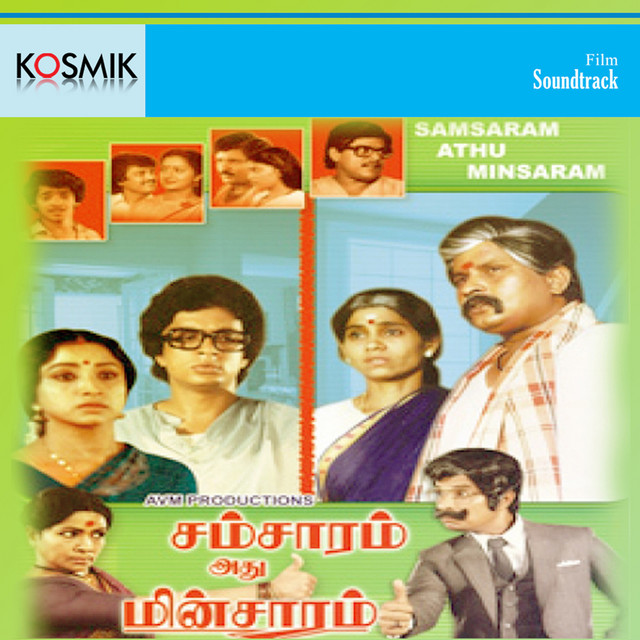
- Samsaram Adhu Minsaram
- Movie release year
- 1986
- Lyrics added on
- 18 Apr 2018
Lyrics & meaning
Beyond the translation
Overall song meaning
'Oora Therinjikitten' is a iconic, grief-stricken lament sung by a family patriarch (played by Visu in 'Samsaram Adhu Minsaram') addressing his wife, Kannamma. Having spent his entire life nurturing his children with affection, pride, and authority, he faces the devastating reality of familial collapse, disobedience, and disrespect in his old age. The song articulates the disillusionment of an aging father who feels his life's efforts have proved futile as his children challenge his principles and shatter household unity. Through poignant colloquial metaphors and mythological references—comparing modern domestic exile to Sita's banishment in the Ramayana—the song highlights generational disconnect, lost dignity, and bitter acceptance. It conveys a heartbreaking emotional arc from anguish to weary resignation, as the protagonist accepts that his duty is done and his physical strength is spent in the face of an ungrateful world.
Writing craft
Poetic devices
Iyaipu (Rhyming Endings)
“Oora therinjikitten / Ulagam purinjikitten”
Repetition of the suffix '-ikitten' at the end of consecutive lines creates a rhythmic, melancholic cadence.
Ethugai (Second-letter Rhyme)
“Aathaa appan pechu / Kaathil athu pochu”
The second consonant sound 'th' (த்) is repeated across the lines ('Aathaa' and 'Kaathil'), establishing classical Tamil poetic harmony.
Allusion & Contrast (Mythological Parallel)
“Andru seethai ava ponaa / Indru pedhai iva ponaa”
Draws a poetic contrast between ancient myth (Sita banished to the forest) and modern reality (an innocent woman forced out onto the street).
Hyperbole / Metaphor
“En iduppu vetti kuda / En pecha ketka villai”
A dramatic, colloquial metaphor where even his waist garment slipping off symbolizes his total loss of control, respect, and authority over his own life.
Wordplay (Pun / Slesai)
“En peru ammai appan / Enakku illai vellai appan”
Plays on his character's name 'Ammai-appan' (which means Mother-Father / Lord Shiva) and contrasts it with his feeling of lacking a benevolent fatherly protector.
Keep listening
Songs with a similar feeling
From the same album
More songs from Samsaram Adhu Minsaram
View albumSpot an issue?
Help us improve the lyrics or English translation.