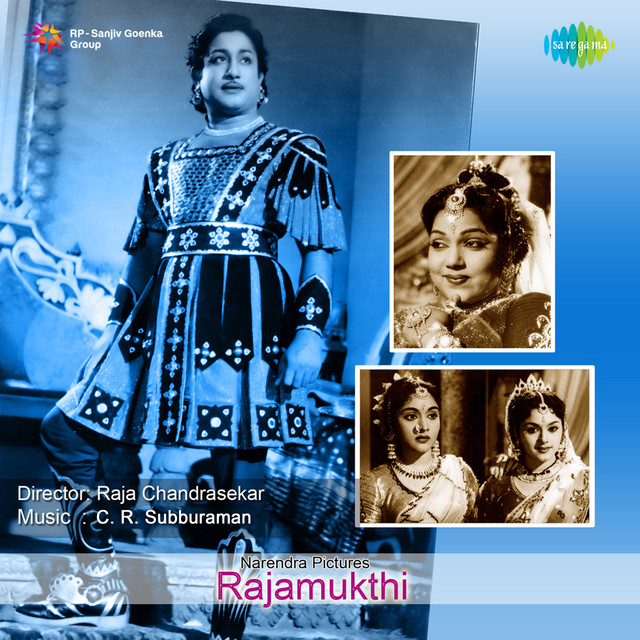
- Lyricist
- Papanasam Sivan
- Music director
- C. R. Subbaraman
- Movie name
- Raja Mukthi
- Movie release year
- 1948
- Lyrics added on
- 27 Apr 2020
Lyrics & meaning
Beyond the translation
Overall song meaning
This devotional hymn belongs to the Thirupalliezhuchi (ceremonial wake-up song) tradition, addressed to Lord Vitthala (Vishnu). The song expresses the philosophical idea that human soul-slumber or spiritual ignorance cannot end until the divine consciousness awakens within. The devotee hails the deity as the lotus-eyed Lord reclining on the serpent Ananta, who grants illumination to the sun and moon and embodies the wisdom of the four Vedas. Beholding the radiant form of the Lord brings spiritual clarity and removes the delusions of the mind (moham). The visual vision of the Divine light fills the seeker's mind and eyes with serene coolness, symbolising ultimate peace and liberation.
Writing craft
Poetic devices
Thirupalliezhuchi (Spiritual Awakening Motif)
“Nee palli ezhundhaalalladhu uyirgal”
A traditional Tamil literary genre where awakening the deity symbolizes waking humanity from spiritual slumber.
Metaphor (Upamana)
“Pangaja dhala nayanaa”
Comparing the Lord's eyes to soft lotus petals ('Pangaja dhala nayanaa').
Anaphora / Refrain
“Aadhavan madhikkoli tharuvadhum nee”
Repetition of lines to build emotional and musical intensity in devotional worship.
Ethirai (Second letter assonance/rhyme)
“Naal vaedha porulum nee maadhavanae”
Use of matching consonant sounds in line openings such as 'Aadhavan' and 'Naal vaedha'.
Did you know?
Trivia
Raja Mukthi (1948) featured singing superstar M. K. Thyagaraja Bhagavathar (MKT) alongside M. G. Ramachandran (MGR) and Bhanumathi. The lyrics were written by Papanasam Sivan, often hailed as the 'Tamil Tyagaraja' for his monumental contributions to Carnatic music and Tamil cinema.
Keep listening
Songs with a similar feeling
From the same album
More songs from Raja Mukthi
View albumSpot an issue?
Help us improve the lyrics or English translation.