- Lyricist
- Kannadasan
- Singers
- T. M. Soundararajan, P. Susheela
- Music director
- R. Govarthanam
- Movie name
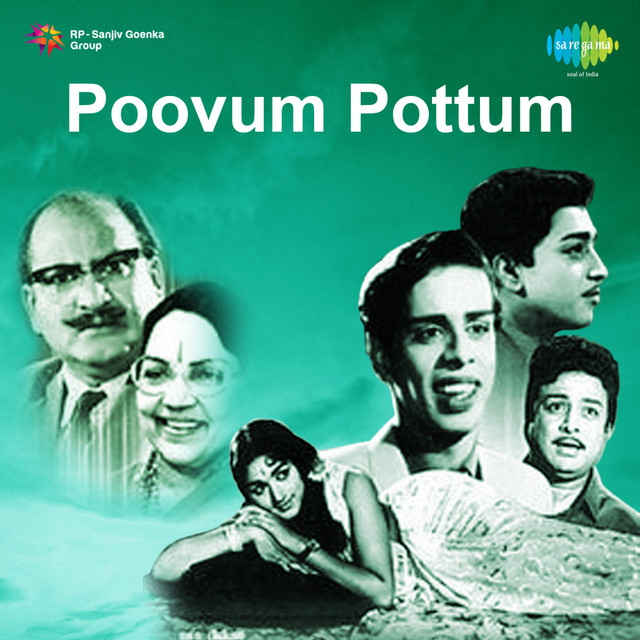
- Poovum Pottum
- Movie release year
- 1968
- Lyrics added on
- 11 Aug 2025
Lyrics & meaning
Beyond the translation
Overall song meaning
Nadhaswara Oosaiyile is a classic Tamil wedding song from the 1968 film Poovum Pottum. Lyricist Kannadasan beautifully captures the sanctity and joyful rituals of a traditional Hindu marriage ceremony, equating the bride and groom to a Goddess (Devi) and Lord (Devan). The lyrics describe key auspicious moments, including sitting on the decorated marriage platform (Manavarai), applying red vermilion (Kungumam), tying the sacred knot (Thaali), and taking part in the joyous town procession (Oorvalam). The song highlights the shyness, inner joy, and devotion of the bride while praising her as an embodiment of chastity like Kannagi and love like Janaki (Sita). Composed by R. Govarthanam and rendered by T. M. Soundarajan and P. Susheela, the song remains an enduring cultural anthem for Tamil weddings.
Writing craft
Poetic devices
Metaphor (Uruvagam)
“Devan vandhu paadugindraan / Devi nadam aadugindraal”
The bride and groom are metaphorically referred to as 'Devi' (Goddess) and 'Devan' (Lord), elevating the human ceremony to a divine celebration.
Simile (Uvamai)
“Karppil oru kannagiyaai / Kaadhalukku jaanakiyaai”
The bride's virtue and emotional devotion are compared directly to legendary cultural and epic figures Kannagi and Sita (Janaki).
Alliteration (Monai)
“Kolamitta manavaraiyil / Kungumathin sangamathil”
Repetition of initial consonant sounds ('K') across lines creating a rhythmic, pleasant flow.
Second-letter Rhyme (Edukai)
“Pathiniyai kaaval kondu / Sathiyathin maedaiyilae”
Agreement of the second consonant sound ('th') in consecutive lines ('Pathiniyai' and 'Sathiyathin').
Did you know?
Trivia
Poovum Pottum (1968) was directed by Dada Mirasi and was a remake of the 1964 Hindi film Pooja Ke Phool. 'Nadhaswara Oosaiyile' became an evergreen standard across South India, frequently played during auspicious wedding rituals and processions due to its authentic Nadaswaram-laden traditional composition.
Keep listening
Songs with a similar feeling
From the same album
More songs from Poovum Pottum
View albumSpot an issue?
Help us improve the lyrics or English translation.