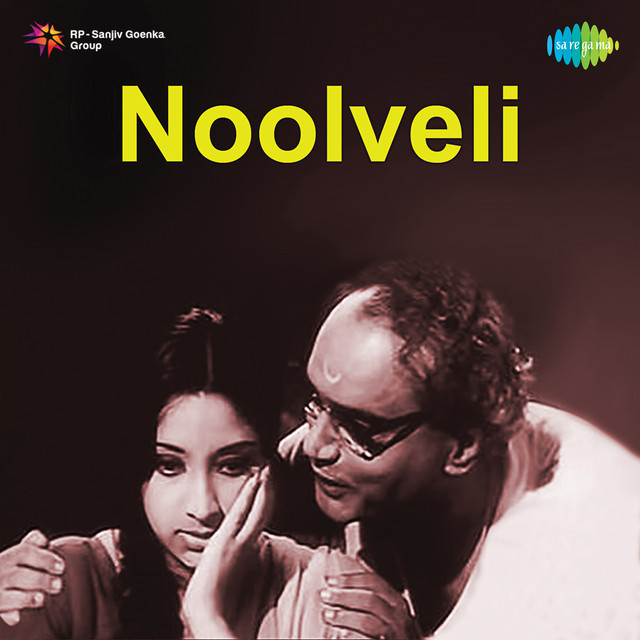
- Lyricist
- Kannadasan
- Singer
- Dr. Balamuralikrishna
- Music director
- M. S. Vishwanathan
- Movie name
- Nool Veli
- Movie release year
- 1979
- Lyrics added on
- 1 Dec 2019
Lyrics & meaning
Beyond the translation
Overall song meaning
'Mounathil Vilayaadum Manasatchiyae' from the movie Nool Veli (1979) is a profound philosophical meditation on the inner human conscience. Lyricist Kannadasan personifies the conscience as a silent, omnipresent watcher within the human mind that witnesses every thought, desire, and wrongdoing. While it brings joyful dreams and memories in times of peace, it transforms into an unrelenting judge and a source of sorrow when a person strays from moral rectitude. The song metaphorically characterizes the mind as a stage of drama, a secret tunnel, and a human's inescapable shadow. It contrasts the steadfast witness of inner truth with the falsity of external pretenses, depicting how guilt turns the heart into stone during moments of lust/desire, yet melts it like wax under the weight of fear and paranoia.
Writing craft
Poetic devices
Personification
“Mounathil vilayaadum Manasatchiyae”
The abstract concept of conscience ('Manasatchi') is personified as an entity playing in silence and speaking through tears.
Metaphor (Uruvagam)
“Ragasiya surangam nee / Naadaga arangam nee”
The heart/conscience is directly compared to a secret tunnel ('ragasiya surangam') and a theater stage ('naadaga arangam').
Anthesis / Contrast
“Aasaiyil kallagi / Achaththil mezhugaagi”
Contrasts the hardening of the heart like stone ('kallagi') in desire with its softening like wax ('mezhugaagi') in fear.
Monai (Initial Rhyme/Alliteration)
“Aayiram ninaivaagi / Aanandha kanavaagi”
Repetition of the initial vowel sound 'Aa' in consecutive lines.
Oxymoron / Paradox
“Oomaiyin paribhaashai / Kanngalil vadippaayae”
Expresses the idea that the silent language of a mute person is expressed visually through tears in the eyes.
Did you know?
Trivia
Nool Veli (1979) was directed by K. Balachander and scored by M. S. Viswanathan. Sung by S. P. Balasubrahmanyam, this song stands out as one of Kannadasan's classic philosophical compositions exploring psychological guilt, a recurring thematic element in K. Balachander's dramatic films.
Keep listening
Songs with a similar feeling
From the same album
More songs from Nool Veli
View albumSpot an issue?
Help us improve the lyrics or English translation.