Skip to content
Isaimozhi
Lyrics & meaning

Kannana Kannurangu Song

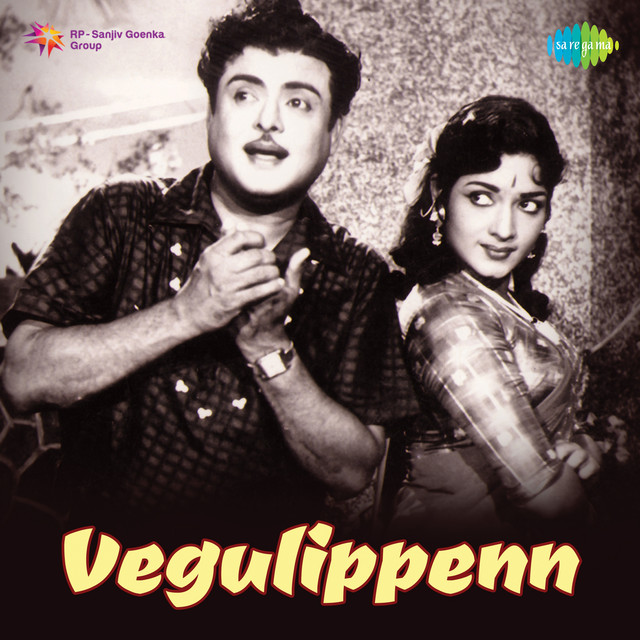
From Veguli Penn · 1971

Lyricist
Kannadasan
Singer
P. Susheela
Music director
V. Kumar
Details
Veguli Penn1971

Lyrics & meaning

Tanglish lyrics English translation
Female
: Aaraari raaraariroLullaby vocalization: Aaraari raaraariro
Aaraari raari raaroLullaby vocalization: Aaraari raari raaro
Aariraro aaraaraaroLullaby vocalization: Aariraro aaraaraaro
Female
: Kannaana kannuranguSleep, my precious eyes
Kattazhagu poo uranguSleep, my beautiful flower
Pennaaga valarnthuvittaThough you have grown into a woman
Pillaiyae nee uranguYou remain a child, so sleep
Female
Kannaana kannuranguSleep, my precious eyes
Kattazhagu poo uranguSleep, my beautiful flower
Pennaaga valarnthuvittaThough you have grown into a woman
Pillaiyae nee uranguYou remain a child, so sleep
Female
Ullam malaravillaiHer mind has not yet bloomed
Ulagam puriyavillaiShe does not understand the world
Kallam kabadamillaiShe has no deceit or guile
Kasappum inippumillaiShe knows neither bitterness nor sweetness
Female
Ullam malaravillaiHer mind has not yet bloomed
Ulagam puriyavillaiShe does not understand the world
Kallam kabadamillaiShe has no deceit or guile
Kasappum inippumillaiShe knows neither bitterness nor sweetness
Female
Maampazhaththil paduththa vanduLike a beetle resting inside a mango
Mattrathaiyum paarpathillaiThat does not look at anything else outside
Maanai pola kannirendrilIn those two deer-like eyes of hers
Naanillaamal thookkamillaiThere is no sleep unless I am near
Kaanae nee uranguMy precious one, go to sleep
Female
Kannaana kannuranguSleep, my precious eyes
Kattazhagu poo uranguSleep, my beautiful flower
Pennaaga valarnthuvittaThough you have grown into a woman
Pillaiyae nee uranguYou remain a child, so sleep
Female
Pennukko naalu gunamA mature woman possesses four virtues
Pillaikko nooru gunamA child possesses a hundred moods
Annaiyaai iruppavarkkoFor the one who acts as her mother
Andraadam nooru bayamThere are a hundred anxieties every single day
Female
Pennukko naalu gunamA mature woman possesses four virtues
Pillaikko nooru gunamA child possesses a hundred moods
Annaiyaai iruppavarkkoFor the one who acts as her mother
Andraadam nooru bayamThere are a hundred anxieties every single day
Female
Ennaalae aavathondruOne part is what my effort can safeguard
Iraivanin kaavalondruThe other part is God's divine protection
Enthan selvi thoongugindraalMy dear daughter drifts off to sleep
Intha kaaval pothumendruBelieving that this protection is sufficient
Kannae nee uranguMy precious one, go to sleep
Female
Kannaana kannuranguSleep, my precious eyes
Kattazhagu poo uranguSleep, my beautiful flower
Pennaaga valarnthuvittaThough you have grown into a woman
Pillaiyae nee uranguYou remain a child, so sleep
Female
Aaraari raaraariroLullaby vocalization: Aaraari raaraariro
Aaraaru raari raaroLullaby vocalization: Aaraaru raari raaro
Aaraari raaraariroLullaby vocalization: Aaraari raaraariro
Aaraaru raari raaroLullaby vocalization: Aaraaru raari raaro

Beyond the translation

Song interpretation

This poignant lullaby from 'Veguli Penn' (1971) is sung by a maternal figure to a young woman who has physically grown into adulthood but remains mentally an innocent child. The lyricist Kannadasan sensitively highlights her untainted nature—free from the worldly games of deceit, bitterness, or malice. The song expresses the deep care, protection, and continuous anxiety of a mother watching over a vulnerable child in an adult's body, placing her faith in divine grace to keep her daughter safe.

Writing craft

Poetic devices

Monai (Initial Assonance / Rhyme)

Kannaana kannurangu / Kattazhagu poo urangu

Matching initial sounds in consecutive words across lines, creating a soothing rhythm suitable for a lullaby.

Simile (Uvamai)

Maanai pola kannirendril

Compares the child's eyes to those of a deer ('Maanai pola kannirendril').

Metaphor (Uvamaani)

Maampazhaththil paduththa vandu / Mattrathaiyum paarpathillai

Compares the innocent child's blissfully isolated mind to a beetle content inside a sweet mango, oblivious to the world outside.

Antithesis / Contrast

Pennukko naalu gunam / Pillaikko nooru gunam

Contrasts the traditional four ideal virtues of womanhood (Acham, Madam, Naanam, Payirppu) with the unpredictable, multifaceted nature of a child.

Did you know?

Trivia

'Veguli Penn' (1971), directed by K. S. Gopalakrishnan, won the Tamil Nadu State Film Award for Best Film. The movie dealt with the sensitive theme of intellectual disability and adult innocence. Lyricist Kannadasan's gentle lyrics paired with V. Kumar's soft composition and P. Susheela's soothing vocals made this one of the most iconic lullabies in Tamil cinema history.

Keep listening

More from Veguli Penn