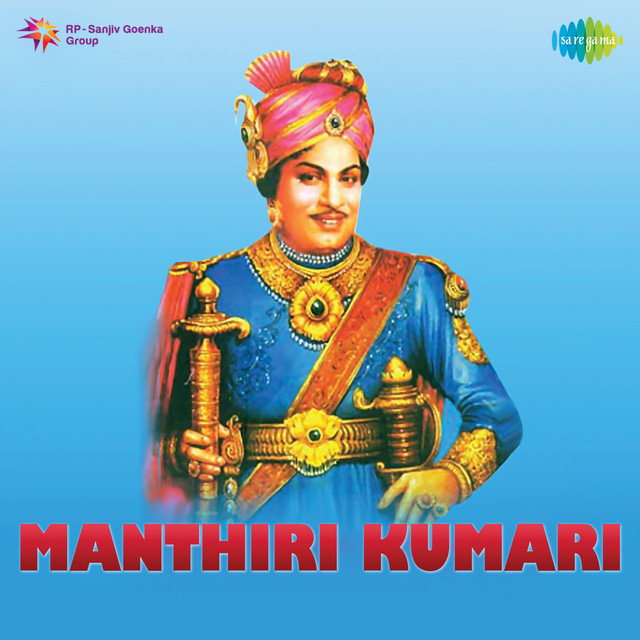
Kaadhal Baliyaagi
From Manthiri Kumari · 1950
- Lyricist
- Lyricist Not Known
- Singer
- M. L. Vasanthakumari
- Music director
- G. Ramanathan
- Details
- Manthiri Kumari1950
Lyrics & meaning
| ♫ Tanglish lyrics | ↻ English translation |
|---|---|
| Female | |
| Kaadhal bali aagi neeyum | You, becoming a victim of love, |
| Thiyagathin chinnamaai | as an enduring symbol of sacrifice, |
| Natinar nenjinilae oviyamae aaginaai | became a portrait etched in the hearts of the nation's people. |
| Female | |
| Kaanbavar yaarumae kangalin geethamae | A song to the eyes for all who behold you, |
| Unarnthida neeyumae oviyamae aaginaai | to be deeply felt, you became a living portrait. |
| Female | |
| Theeyon mel kaadhal kondae illara vaazhvilae | Having given your love to an evil man in marital life, |
| Theeradha thuyaram kandaai veen pazhi maevinaai | you suffered endless grief and bore unfair blame. |
| Female | |
| Dhesam thannaiyae paadhukkakavae | Solely to protect the nation itself, |
| Dhesam thannaiyae paadhukkakavae | solely to protect the nation itself, |
| Nadhanai kondrumae needhithanai naatinaai | you killed your own husband and established justice. |
| Female | |
| Naatukkae paadam thandhu | Teaching a profound lesson to the entire land, |
| Bothikkum thiyaga sinnam | you stand as a symbol of sacrifice that preaches virtue. |
| Naalum un kallarai meedhil | Every day upon your sacred tomb, |
| Naangalum kaneer sindhi | we too shed sorrowful tears, |
| Malargal thooviyae maanasigamaai | showering flowers with heartfelt devotion, |
| Malargl thooviyae maanasigamaai | showering flowers with heartfelt devotion, |
| Anbu seivadhandriyae kaimaaru verillaiyae | offering our pure love, for there is no other way to repay you. |
| Female | |
| Kaadhal bali aagi neeyum | You, becoming a victim of love, |
| Thiyagathin chinnamaai | as an enduring symbol of sacrifice, |
| Natinar nenjinilae oviyamae aaginaai | became a portrait etched in the hearts of the nation's people. |
காதல் பலி ஆகி நீயும்
தியாகத்தின் சின்னமாய்
நாட்டினர் நெஞ்சிலே ஓவியமே ஆகினாய்
You, becoming a victim of love,
as an enduring symbol of sacrifice,
became a portrait etched in the hearts of the nation's people.
காண்பவர் யாருமே கண்களின் கீதமே
உணர்ந்திட நீயுமே ஓவியமே ஆகினாய்
A song to the eyes for all who behold you,
to be deeply felt, you became a living portrait.
தீயோன் மேல் காதல் கொண்டே இல்லற வாழ்விலே
தீராத துயரம் கண்டாய் வீண் பழி மேவினாய்
Having given your love to an evil man in marital life,
you suffered endless grief and bore unfair blame.
தேசம்தன்னையே பாதுகாக்கவே
தேசம் தன்னையே பாதுகாக்கவே
நாதனை கொன்றுமே நீதிதனை நாட்டினாய்
Solely to protect the nation itself,
solely to protect the nation itself,
you killed your own husband and established justice.
நாட்டுக்கே பாடம் தந்து
போதிக்கும் தியாக சின்னம்
நாளும் உன் கல்லறை மீதில்
நாங்களும் கண்ணீர் சிந்தி
மலர்கள் தூவியே மானசீகமாய்
அன்பு செய்வதன்றியே கைம்மாறு வேறில்லையே
Teaching a profound lesson to the entire land,
you stand as a symbol of sacrifice that preaches virtue.
Every day upon your sacred tomb,
we too shed sorrowful tears,
showering flowers with heartfelt devotion,
offering our pure love, for there is no other way to repay you.
காதல் பலி ஆகி நீயும்
தியாகத்தின் சின்னமாய்
நாட்டினர் நெஞ்சிலே ஓவியமே ஆகினாய்
You, becoming a victim of love,
as an enduring symbol of sacrifice,
became a portrait etched in the hearts of the nation's people.
Kaadhal bali aagi neeyum
You, becoming a victim of love,
Thiyagathin chinnamaai
as an enduring symbol of sacrifice,
Natinar nenjinilae oviyamae aaginaai
became a portrait etched in the hearts of the nation's people.
Kaanbavar yaarumae kangalin geethamae
A song to the eyes for all who behold you,
Unarnthida neeyumae oviyamae aaginaai
to be deeply felt, you became a living portrait.
Theeyon mel kaadhal kondae illara vaazhvilae
Having given your love to an evil man in marital life,
Theeradha thuyaram kandaai veen pazhi maevinaai
you suffered endless grief and bore unfair blame.
Dhesam thannaiyae paadhukkakavae
Solely to protect the nation itself,
Dhesam thannaiyae paadhukkakavae
solely to protect the nation itself,
Nadhanai kondrumae needhithanai naatinaai
you killed your own husband and established justice.
Naatukkae paadam thandhu
Teaching a profound lesson to the entire land,
Bothikkum thiyaga sinnam
you stand as a symbol of sacrifice that preaches virtue.
Naalum un kallarai meedhil
Every day upon your sacred tomb,
Naangalum kaneer sindhi
we too shed sorrowful tears,
Malargal thooviyae maanasigamaai
showering flowers with heartfelt devotion,
Malargl thooviyae maanasigamaai
showering flowers with heartfelt devotion,
Anbu seivadhandriyae kaimaaru verillaiyae
offering our pure love, for there is no other way to repay you.
Kaadhal bali aagi neeyum
You, becoming a victim of love,
Thiyagathin chinnamaai
as an enduring symbol of sacrifice,
Natinar nenjinilae oviyamae aaginaai
became a portrait etched in the hearts of the nation's people.
Beyond the translation
Song interpretation
This poignant tribute song from the classic 1950 film 'Manthiri Kumari' honors the supreme sacrifice of the heroine, Amudhavalli. Having married a deceitful and wicked man, she endures severe marital suffering and wrongful accusation. However, when her husband poses a dire threat to the country, she puts state duty above personal love and slays him on a cliff to protect the nation and uphold righteousness. The song eulogizes her supreme sacrifice, immortalizing her in the hearts of the citizens. It portrays her grave as a shrine of virtue where the people pay tribute with tears and flowers, celebrating her courage and tragic devotion to justice.
Writing craft
Poetic devices
Metaphor (Uruvagami)
“Kaanbavar yaarumae kangalin geethamae”
Describing the heroine as 'kangalin geethamae' (a song/melody for the eyes) and 'oviyamae aaginaai' (became a portrait in the heart) metaphorically elevates her memory to immortal art.
Alliteration (Monai)
“Theeyon mel kaadhal kondae illara vaazhvilae / Theeradha thuyaram kandaai veen pazhi maevinaai”
The repetition of initial 'Thee' sound ('Theeyon' / 'Theeradha') creates a rhythmic, musical emphasis on the sorrow caused by the villain.
Paradox / Irony
“Nadhanai kondrumae needhithanai naatinaai”
The act of killing her own husband ('Nadhanai kondrumae') to establish righteousness ('needhithanai naatinaai') highlights the dramatic moral conflict and patriotic sacrifice.
Did you know?
Trivia
Manthiri Kumari (1950) was adapted by M. Karunanidhi from the classic Tamil Buddhist epic 'Kundalakesi'. The climax where the heroine deceives her husband and pushes him off a cliff to save the kingdom is one of the most famous and landmark scenes in early Tamil cinema history.
Keep listening
More from Manthiri Kumari
Manthiri Kumari
Manthiri Kumari
Manthiri Kumari
Manthiri Kumari
Manthiri Kumari