- Lyricist
- Kannadasan
- Singers
- P. Susheela, T. M. Soundararajan
- Music director
- M. S. Vishwanathan
- Movie name
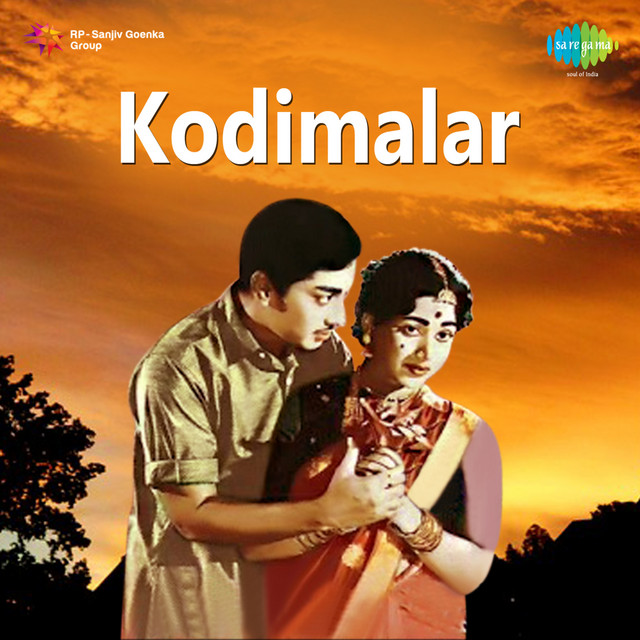
- Kodimalar
- Movie release year
- 1966
- Lyrics added on
- 18 Jul 2020
Lyrics & meaning
Beyond the translation
Overall song meaning
Sittaga thulli thulli vaa is a playful, romantic duet from the 1966 film Kodimalar, written by the eminent lyricist Kannadasan. The song captures the lively courtship between two lovers who express their affection through lighthearted teasing and natural metaphors. The male lead beckons his beloved, comparing her energetic grace to a hopping sparrow and her elegance to trailing silk garments. In response, she playfully questions whether a magical spell or an advance token of love has enchanted their hearts. Throughout the track, nature serves as a vivid canvas for their emotion—breezes acting as stage designers, cold winds bringing flashes of lightning in their hearts, and sweet floral scents urging them to speak and sing. Kannadasan also weaves traditional cultural motifs into the lyrics, referencing cross-cousin romantic customs (Ammaanin pennai and Aththai pettra penmai) while balancing shyness and desire.
Writing craft
Poetic devices
Simile / Metaphor (Uwamai)
“Sittaga thulli thulli vaa”
Compares the playful agility of the heroine to the hopping movement of a sparrow ('Sittu').
Second-Letter Rhyme (Edhugai)
“Sittaga thulli thulli vaa / Pattaadai pinna pinna vaa”
The second consonant sound 't' is repeated in consecutive lines ('Sittaga' / 'Pattaadai'), creating auditory rhythm.
Sensory Imagery
“Thaazham poovin vaasam vandhu / Pesa sonnadho”
Invokes olfactory and visual imagery using fragrant screwpine flowers ('Thaazham poovu') and sparkling pearls ('muthu kinnam').
Repetition for Emphasis (Adukkuthodar)
“Vaa vaa vaa vaa”
Repetition of words like 'thulli thulli', 'pinna pinna', and 'vaa vaa vaa vaa' enhances the rhythmic momentum.
Did you know?
Trivia
Kodimalar (1966) features lyrics by Kannadasan, who masterfully incorporates traditional Tamil kinship terms like 'Ammaan' (maternal uncle) and 'Aththai' (paternal aunt) to reflect traditional cross-cousin matrimonial customs in Tamil culture.
Keep listening
Songs with a similar feeling
From the same album
More songs from Kodimalar
View albumSpot an issue?
Help us improve the lyrics or English translation.