Skip to content
Isaimozhi
Lyrics & meaning

Ammavum Neeye

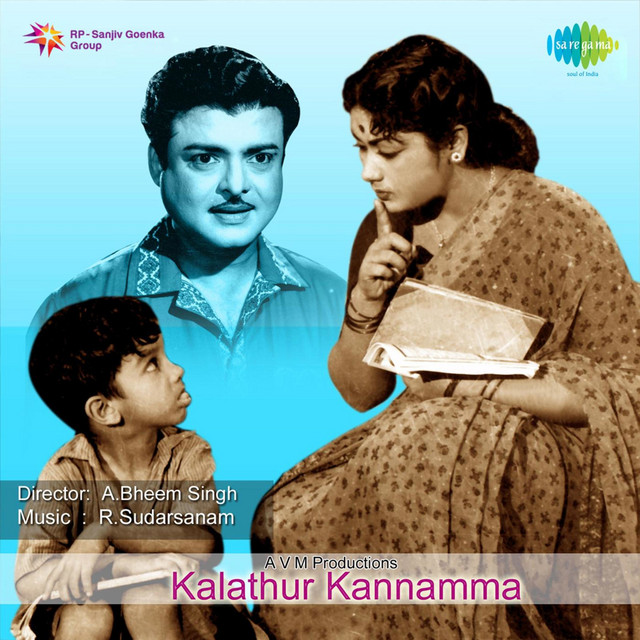
From Kalathur Kannamma · 1960

Lyricist
T. K. Sundara Vadhyar
Singer
M. S. Rajeswari
Music director
Sudharsanam
Details
Kalathur Kannamma1960

Lyrics & meaning

Tanglish lyrics English translation
Female
Ammaavum neeyae appaavum neeyaeYou are my mother, you are my father.
Anbudanae aadharikkum deivamum neeyaeYou are the divine deity who lovingly supports us.
Chorus :Ammaavum neeyae appaavum neeyaeChorus: You are my mother, you are my father.
Anbudanae aadharikkum deivamum neeyaeYou are the divine deity who lovingly supports us.
Ammaavum neeyae……You are my mother...
Female
Thanthai mugam thaayin mugamA father's face, a mother's face,
KandariyomaeWe have never known or seen.
Mana santhi tharum iniya sollai kettariyomaeWe have never heard sweet words that bestow peace of mind.
Chorus :Haa…aaa…aaa….aaa…aaa…aaa..Chorus: Haa…aaa…aaa….aaa…aaa…aaa..
Female :Thanthai mugam thaayin mugam kandariyomaeFemale: We have never known or seen a father's face or mother's face.
Mana santhi tharum iniya sollai kettariyomaeWe have never heard sweet words that bestow peace of mind.
Female
Engalukko anbu seiya yaarum illaiyaeFor us, there is no one to show love.
Idhai ariyaaiyo muruga un karunai illaiyoDo you not know this, Lord Muruga? Do you have no compassion?
Male
Muruga…..Chorus :Muruga….Muruga… Chorus: Muruga…
Male :Muruga…..Chorus :Muruga….Male: Muruga… Chorus: Muruga…
Male :Muruga….. muruga….Male: Muruga… Muruga…
Chorus :Muruga….. muruga….Chorus: Muruga… Muruga…
Female
Poonai naayum kiliyum koodaEven cats, dogs, and parrots,
Manithar madiyilaeIn the laps of human beings,
Pettra pillai polae nalluravaai koodi vaazhuthaeLive together in bond, cared for like their own born children.
Chorus :Haa…aaa…aaa….aaa…aaa…aaa..Chorus: Haa…aaa…aaa….aaa…aaa…aaa..
Female :Poonai naayum kiliyum koodaFemale: Even cats, dogs, and parrots,
Manithar madiyilaeIn the laps of human beings,
Pettra pillai polae nalluravaai koodi vaazhuthaeLive together in bond, cared for like their own born children.
Male
Ee erumbum un padaipil inimai kaanuthaeEven flies and ants find sweetness and joy in your creation.
Idhai ariyaaiyo muruga un karunai illaiyoDo you not know this, Lord Muruga? Do you have no compassion?
Male
Muruga…..Chorus :Muruga….Muruga… Chorus: Muruga…
Male :Muruga…..Chorus :Muruga….Male: Muruga… Chorus: Muruga…
Male :Muruga….. muruga….Male: Muruga… Muruga…
Chorus :Muruga….. muruga….Chorus: Muruga… Muruga…

Beyond the translation

Song interpretation

This poignant prayer song portrays the profound loneliness and longing of orphaned children who surrender themselves entirely to Lord Muruga. Having never experienced parental affection or soothing words, they address the deity as their only true mother, father, and savior. They contrast their tragic plight with nature and human society, noting how even pets like cats, dogs, and birds are cherished in human laps like offspring, and even tiny insects like flies and ants find sweet comfort in creation. Questioning why they alone are deprived of love, they call upon Lord Muruga's divine mercy to fill the void of their orphaned lives.

Writing craft

Poetic devices

Anaphora / Repetition (Emoni)

Ammaavum neeyae appaavum neeyae

The repetitive use of 'neeyae' ('you alone') at the end of clauses emphasizes total surrender and reliance on the divine.

Simile (Uvamai)

Pettra pillai polae nalluravaai koodi vaazhuthae

The word 'polae' ('like') compares the warm treatment received by household animals to the love given to biological children.

Rhetorical Questioning (Vinah)

Idhai ariyaaiyo muruga un karunai illaiyo

The singer plaintively questions Lord Muruga ('ariyaaiyo', 'illaiyo') not out of doubt, but to dramatically evoke divine compassion.

Did you know?

Trivia

Kalathur Kannamma (1960) marked the iconic screen debut of Kamal Haasan as a child artist at the age of five. His performance earned him the Rashtrapati Award (President's Gold Medal). Composed by R. Sudarsanam, this soul-stirring song sung by M. S. Rajeswari remains one of the most famous orphan-lament songs in Tamil cinema history.

Keep listening

More from Kalathur Kannamma