Skip to content
Isaimozhi
Lyrics & meaning

Amma Badhil

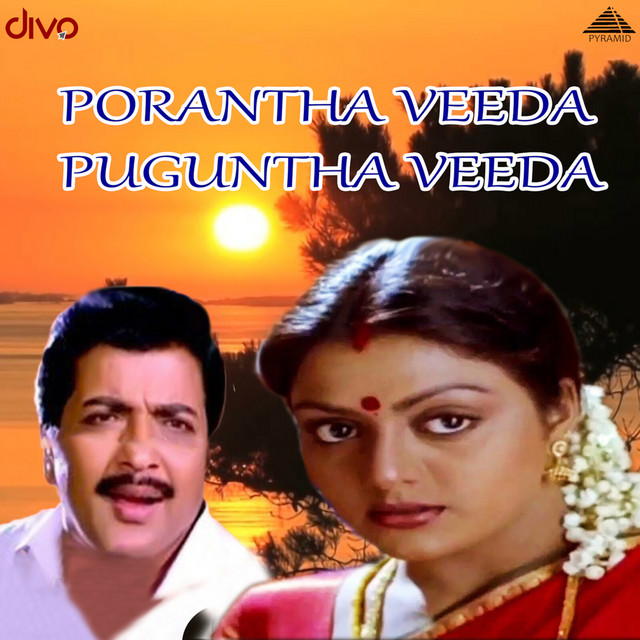
From Porantha Veeda Puguntha Veeda · 1993

Lyricist
Vaali
Singer
S. Janaki
Music director
Ilayaraja
Details
Porantha Veeda Puguntha Veeda1993

Lyrics & meaning

Tanglish lyrics English translation
Female
Amma badhil solladi ingae edhir nilladiMother, answer me, stand right before me here.
Theeraadha thuyar konda penn jenmamaIs a woman's life destined only for endless sorrow?
Penn endru pirandhaale perum paavamaIs it such a great sin to be born as a woman?
Amma badhil solladi ingae edhir nilladiMother, answer me, stand right before me here.
Female
Vaasanai panneeril nithamae neeraadiBathing daily in fragrant rose water,
Velaikkoru alangaaram kaanbathennaWhy display new decorations for every occasion?
Vedhanai kanneeril ennai nee neerattiInstead, bathing me in the tears of agony,
Dhooram nindru vaai moodi paarpadhennaWhy do you stand at a distance and watch silently?
Female
Thiruvadiyil saranam saranamSurrender at your sacred feet, surrender,
Ena thudhi puriyum pozhuthuAs I offer my praises and prayers,
Alai alaiyaa thuyaram perugaCausing waves upon waves of grief to swell up,
Ena vadhaippadho azhaguIs it beautiful to torment me like this?
Vidhi vinaiyaa unai kaetten thaayeIs this fate or past karma? I ask you, Mother!
Female
Amma badhil solladi ingae edhir nilladiMother, answer me, stand right before me here.
Theeraadha thuyar konda penn jenmamaIs a woman's life destined only for endless sorrow?
Penn endru pirandhaale perum paavamaIs it such a great sin to be born as a woman?
Amma badhil solladi ingae edhir nilladiMother, answer me, stand right before me here.
Female
Deviyae nee kooda thakshanin magalaagaO Goddess, even you, as the daughter of Daksha,
Maalaiyitta sivanodu vaazhnthirundhaaiLived with Shiva, to whom you were wedded.
Thaayena unai kaathaSeeking the home of your father who nurtured you like a mother,
Thanhaiyin mania thaediSeeking your father's abode,
Naayagan sol kaelaamal odi vandhaaiYou ran back without listening to your husband's words.
Female
Puguntha idam nalamum valamum peraSo that the home I entered in marriage gains wealth and well-being,
Anudhinamum uzhaitahenI worked tirelessly every single day.
Pirantha idam thavikkum tharunamYet at the moment my birth home suffered,
Konda udan pirappai anaitahenI embraced and helped my own siblings.
Sariyo thavaro unai kaetten thaayeWas that right or wrong? I ask you, Mother!
Female
Amma badhil solladi ingae edhir nilladiMother, answer me, stand right before me here.
Theeraadha thuyar konda penn jenmamaIs a woman's life destined only for endless sorrow?
Penn endru pirandhaale perum paavamaIs it such a great sin to be born as a woman?
Amma badhil solladi ingae edhir nilladiMother, answer me, stand right before me here.

Beyond the translation

Song interpretation

This poignant track from 'Porantha Veeda Puguntha Veeda' (1993) captures the emotional torment of a woman caught between her duties to her marital home and her devotion to her birth family. Addressing the Divine Goddess, the protagonist questions why society and fate subject women to unending suffering, regardless of how selflessly they perform their marital duties.

Writing craft

Poetic devices

Rhetorical Question (Vinaa)

Penn endru pirandhaale perum paavama

The speaker challenges the Goddess with existential questions like whether being born female is a major sin, emphasizing helplessness.

Mythological Allusion (Puraana Kurippu)

Deviyae nee kooda thakshanin magalaaga

Lyricist Vaali references Goddess Sati (Daksha's daughter) who went to her father Daksha's yagna against Lord Shiva's warning, drawing a parallel to a daughter's unbreakable bond with her birth home.

Ethukai (Second-letter Assonance)

Puguntha idam nalamum valamum pera / Pirantha idam thavikkum tharunam

Rhyming of the second consonant sound across corresponding lines ('saa' in Vaasanai and 'dha' in Vedhanai / 'gu' in Puguntha and 'ra' in Pirantha).

Contrast (Antithesis)

Vaasanai panneeril nithamae neeraadi / Vedhanai kanneeril ennai nee neeratti

Juxtaposes 'Vaasanai panneer' (fragrant rosewater symbolizing happiness) with 'Vedhanai kanneer' (tears of agony).

Did you know?

Trivia

The song's core theme directly mirrors the movie's title and plot, exploring the classic Indian family drama theme of balancing obligations to 'Porantha Veeda' (birth place) and 'Puguntha Veeda' (marital home). Vaali's use of Daksha's daughter's mythological reference elevates the heroine's personal grievance to a divine, universal dilemma.

Keep listening

More from Porantha Veeda Puguntha Veeda