- Lyricist
- Kannadasan
- Singer
- P. Susheela
- Music director
- K. V. Mahadevan
- Movie name
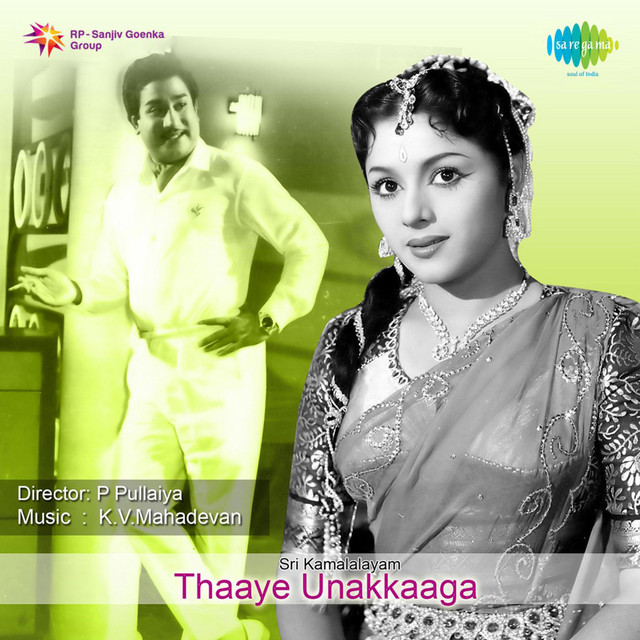
- Thaaye Unakkaga
- Movie release year
- 1965
- Lyrics added on
- 2 Feb 2024
Lyrics & meaning
Beyond the translation
Overall song meaning
This classic song is an earnest, poetic plea for global peace, harmony, and non-violence. The speaker invokes the 'dove of peace' and seeks tranquility, using vivid contrasts to express the desire for life-affirming elements over destructive forces: gentle breezes instead of storms, nourishing rain instead of floods, light instead of darkness, and global friendship instead of hatred.
Writing craft
Poetic devices
Symbolism and Metaphor
“Amaidhi purave amaidhi purave”
The 'Amaidhi Puravu' (dove of peace) is used as a central symbol representing universal harmony, non-violence, and tranquility.
Antithesis / Contrast (Muran)
“Kaalangalaalae thendral varuga / Puyalae vara vendaam”
The poet pairs positive forces against destructive counterparts (Thendral vs Puyal, Mazhai vs Vellam, Oli vs Irul, Uravu vs Pagai) to emphasize the wish for constructiveness over destruction.
Anaphora / Repetition (Adukkuthodar)
“Samadhaname samadhaname”
Repetition of terms like 'Amaidhi purave', 'Nimmadhiyae', and 'Samadhaname' emphasizes the emotional urgency of the plea for peace.
Historical Allusion
“Buthan vazhiyil asokan sevai”
References Gautama Buddha and Emperor Ashoka's historical turn toward Ahimsa (non-violence) to ground the song's moral message in timeless philosophical traditions.
Did you know?
Trivia
Composed by K. V. Mahadevan for the 1965 film 'Thaaye Unakkaga', this song stands out as one of lyricist Kannadasan's most celebrated pacifist hymns. Sung by P. Susheela, its timeless message of non-violence and unity remains one of the finest patriotic and anti-war songs in Tamil cinema history.
Keep listening
Songs with a similar feeling
From the same album
More songs from Thaaye Unakkaga
View albumSpot an issue?
Help us improve the lyrics or English translation.