Skip to content
Isaimozhi
Lyrics & meaning

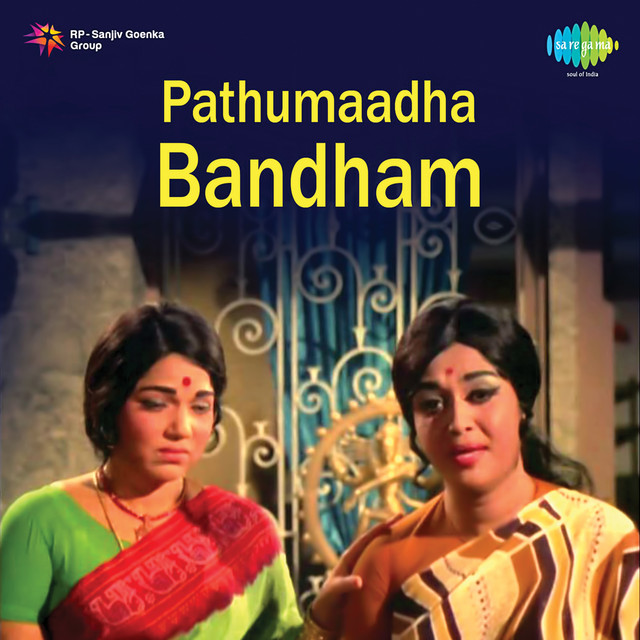
Aathooru Mama Mama

From Pathumatha Bantham · 1974

Lyricist
Kannadasan
Singers
T. M. Soundararajan, P. Susheela
Music director
Shankar Ganesh
Details
Pathumatha Bantham1974

Lyrics & meaning

Tanglish lyrics English translation
Female
Aathooru maama maamaUncle from Aathoor, uncle
Pottaaru masala laalalaalalaHe added spices, laalalaalala
Uppum illaeThere is no salt
Male :AahaaMale: Aahaa
Female :Pappum illaeFemale: There are no lentils either
Male :OhooMale: Ohoo
Female :Onnumae vegalaiyaeFemale: Nothing is cooked at all
Female
Damakku dappa …Damakku dappa …
Male
OhooOhoo
Female :MulikkudhuppaFemale: It blinks, man
AmukkuthappaIt presses down, man
Male :Hae haeMale: Hae hae
Female :SirikkudhappaFemale: It laughs, man
Male
Saethooru maami maamiAunt from Saethoor, aunt
Koothaada vandhaalam lallalallalaShe came to dance, lallalallala
Munnum illae pinnumillaeNeither front nor back
Onnumae aadavillaeNothing danced at all
Male
EdukattumaShall I start?
Female :AahaFemale: Aaha
Male :KodukattumaMale: Shall I give?
Female :OhooFemale: Ohoo
Male :Izhukattuma hae haeMale: Shall I pull? Hae hae
NadathattumaShall I conduct?
Female
Bakthiyilae vandhavaru nandhanaaruThe one who came with devotion is Nandanar
Ivaru pallikoodam thedi vandha chinnanaaruThis guy is the young master searching for a school
Male :Mun pirandha moovanna theviyaaruMale: She is the elder lady, Goddess Moovanna
Iva mookarundha soorpanagai maamiyaaruShe is the aunt like nose-cut Soorpanagai
Female
Saelai mattum kattivitta naathanaaruSister-in-law who draped only a saree
Male :AagaMale: Aaga
Female :Saelai mattum kattivitta naathanaaruFemale: Sister-in-law who draped only a saree
Male :Iva thedi vandha kadhavai mattum saathuvaaruMale: She will lock the door she came looking for
Female
Damakku dappa …Damakku dappa …
Male :MulikkudhammaaMale: She blinks, lady
Female :AmukkuthappaFemale: It presses down, man
Male :SirikkudhammaMale: She laughs, lady
Male
Saethooru maami maamiAunt from Saethoor, aunt
Koothaada vandhaalam lallalallalaShe came to dance, lallalallala
Munnum illae pinnumillaeNeither front nor back
Onnumae aadavillae haeNothing danced, hae
Male
Achaminnum nanaminnum naalu ingaeFear, modesty, and all traditional virtues are here
En annathukku pin purathil vaalu engaeWhere is the tail behind my swan?
Female :Alaveduthu thandhadhu thaan aaduthengaeFemale: Where is that which was given by measure dancing?
Unnai aadaveippen kol eduthu vaa kurangaeI will make you dance; take a stick and come, monkey
Male
AhaaAhaa
Pombalainga manasu vecha boomiyaadumIf women set their mind, the earth will shake
Female :En poojaiyilae pei pidicha saamiyaadumFemale: In my worship, even a possessed deity will dance
Male
EdukattumaShall I start?
Female :Aaha kodukattumaFemale: Aaha, shall I give?
Male :Ohoo izhukattumaMale: Ohoo, shall I pull?
Female :Hae hae nadathattumaFemale: Hae hae, shall I conduct?
Female
Aathooru maama maamaUncle from Aathoor, uncle
Pottaaru masala dududdudum dudumHe added spices, dududdudum dudum
Uppum illaeThere is no salt
Male :AahaaMale: Aahaa
Female :Pappum illaeFemale: There are no lentils either
Male :OhooMale: Ohoo
Female :Onnumae vegalaiyaeFemale: Nothing is cooked at all
Male
EdukattumaShall I start?
Female :AahaFemale: Aaha
Male :KodukattumaMale: Shall I give?
Female :OhooFemale: Ohoo
Male :Izhukattuma hae haeMale: Shall I pull? Hae hae
NadathattumaNadathattuma
Male
Saethooru maami tataaAunt from Saethoor, bye
Female
Aathooru maama tataaaUncle from Aathoor, bye
Male
TataaBye
Female
TataaBye
Male
Tataa tataaaa…Bye bye...

Beyond the translation

Song interpretation

This playful, high-energy duet from the movie 'Pathumatha Bantham' (1974) features dynamic bantering and humorous exchanges between male and female leads, rendered memorably by T. M. Soundarajan and P. Susheela. The lyrics utilize regional Tamil folk idioms, rhythmic folk percussion syllables (Damakku dappa), and culinary metaphors (cooking without salt or dal) to depict comedic mock-rivalry and playful teasing between an 'Aathoor Uncle' and a 'Saethoor Aunt'. Kannadasan weaves classic mythological references—such as Nandanar, Soorpanagai, and cultural ideas of female power—into a lighthearted folk-pop song structure set to Shankar Ganesh's catchy beat. The track culminates in competitive banter where both singers claim dominance over the other before signing off with a cheerful farewell ('Tataa').

Writing craft

Poetic devices

Edhugai (Second letter rhyming)

Aathooru maama maama / Pottaaru masala

Matching second consonants in successive lines (e.g., 'Aathooru' / 'Pottaaru', 'Uppum' / 'Pappum').

Iyaibu (End rhyme)

Edukattuma / Kodukattuma / Izhukattuma

Rhyming of line-ending verbal forms like '-illai' (Uppum illae / Pappum illae) and '-attuma' (Edukattuma / Kodukattuma / Izhukattuma / Nadathattuma).

Metaphor and Mythological Allusion

Iva mookarundha soorpanagai maamiyaaru

Teasing comparison of characters to mythological figures like Soorpanagai and Nandanar to heighten comedic contrast.

Did you know?

Trivia

'Pathumatha Bantham' (1974) features music composed by the veteran duo Shankar-Ganesh. Kannadasan's playful folk lyrics in this song demonstrate his versatility in writing lighthearted, comedic duets alongside his famous philosophical and romantic compositions.

Keep listening

More from Pathumatha Bantham