Skip to content
Isaimozhi
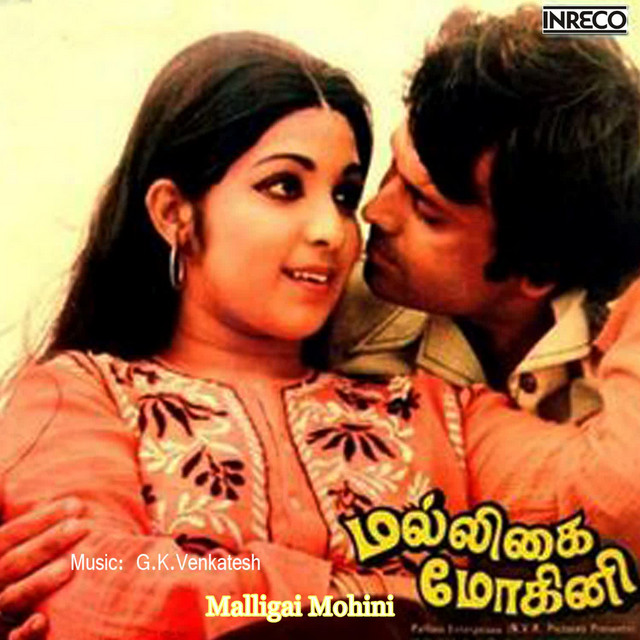
Malligai Mogini album cover
Lyrics & meaning

Aasaiyenum Solaiyile

From Malligai Mogini · 1979

Lyricist
Pulamaipithan
Singers
S. P. Balasubrahmanyam, S. Janaki
Music director
G. K. Venkatesh
Movie name
Malligai Mogini
Movie release year
1979
Lyrics added on
27 Dec 2021

Lyrics & meaning

♫ Tanglish lyrics
↻ English translation
Navarasam pirandha idam
Naangu gunam valarndha idam
Sugangal ellam niraindha idam
Ennaalumae pennidamae
Kaadhal oru koyil polae deivangal pengal
Kalyanam mogam konda bommaigal aangal
Kaadhal oru koyil polae deivangal pengal
Chorus :Kalyanam mogam konda bommaigal aangal
Kaadhal oru koyil polae deivangal pengal
Aasaiyenneum solaiyilae aadugindra pon vandu
Aan endru avan padaithaan vandu enavae gunam padaithaan
Kaadhal oru kaaviyam endraargal
Ennaalum karpanai seidhaargal
Kannaalae kavidhaiyum solvaargal
Jaalathaal yaavaiyum marappaargal..aaa..aaa..aa…
Kaadhal oru koyil polae deivangal pengal
Maaaradha ennam konda deepangal pengal
Kaadhal oru koyil polae deivangal pengal
Maaaradha ennam konda deepangal pengal
Haa…aaa…..aaa…aaa…
Enna kaadhal enna ennam
Enna kaadhal enna ennam ungal ennangal
Indru naalai maari pogum aasai kinnangal
Nanju vizhi endradhanaal neela vizhi endraar
Vanjagamae seivadhanal vanjiyargal endraar
Ungal ullam ondru ennam rendu
Sollum solla enna
Oo ungal perai deivam endraal
Engal per enna
Chorus :Oo ungal perai deivam endraal
Engal per enna
Male :Ungal ullam ondru ennam rendu
Sollum solla enna
Chorus :Ungal ullam ondru ennam rendu
Sollum solla enna
Oo ungal perai deivam endraal
Engal per enna
Male :Ungal ullam ondru ennam rendu
Sollum solla enna
The birthplace of all nine emotions,
The place where the four noble virtues thrive,
The place filled with every joy and comfort,
Is forever found in a woman.
Love is like a temple, and women are the goddesses.
Men are just puppets longing for marriage.
Love is like a temple, and women are the goddesses.
Chorus: Men are just puppets longing for marriage.
Love is like a temple, and women are the goddesses.
Flitting about like a golden bee in the garden of desire,
He created man with the wandering nature of a bee.
They spoke of love as an epic romance,
And constantly wove fantasies around it.
They would speak poetry through their eyes,
And forget everything in their playful charms... Ah... ah... ah...
Love is like a temple, and women are the goddesses.
Women are steady lamps with unwavering devotion.
Love is like a temple, and women are the goddesses.
Women are steady lamps with unwavering devotion.
Ha... ah... ah... ah...
What kind of love, what kind of thoughts are these?
What love is this, what are these intentions of yours?
Vessels of desire that change from today to tomorrow!
Because your eyes carry poison, they called them dark blue eyes;
Because you deal in deception, they called you vanjiyar (deceitful women);
Your heart says one thing, but your mind thinks another,
Can your spoken words really be believed?
Oh, if you are called goddesses,
Then what are we?
Chorus: Oh, if you are called goddesses,
Then what are we?
Male: Your heart says one thing, but your mind thinks another,
Can your spoken words really be believed?
Chorus: Your heart says one thing, but your mind thinks another,
Can your spoken words really be believed?
Oh, if you are called goddesses,
Then what are we?
Male: Your heart says one thing, but your mind thinks another,
Can your spoken words really be believed?
Female
Female
Female
Female
Female
Chorus
Male
Male

Beyond the translation

Overall song meaning

'Malligai Mogini' (1979) features a dynamic and witty romantic dialogue debating the true nature of men and women. The lyrics begin by praising women as sacred entities—the source of emotions and virtues—while painting men as impulsive, honey-seeking beetles in the garden of desire. As the song continues, the male perspective counters by pointing out the contradictions and subtle artifice in women's actions, questioning their divine status with playful skepticism. Written by Pulamaipithan and set to tune by G. K. Venkatesh, the song presents an engaging duel of lyrics exploring devotion, temptation, and human nature.

Writing craft

Poetic devices

Simile (Uwamai)

Kaadhal oru koyil polae deivangal pengal

Compares love to a temple ('koyil polae') where women are worshipped as deities.

Metaphor (Uruvagham)

Aasaiyenneum solaiyilae aadugindra pon vandu

Metaphorically describes desire as a garden ('aasaiyenum solai') and man as a golden beetle ('pon vandu').

Wordplay / Etymological Pun (Siledai)

Vanjagame seivadhanal vanjiyargal endraar

Playfully derives the Tamil word for women ('vanjiyargal') from the root word for trickery/deceit ('vanjagam').

Contrast (Ethirmai)

Ungal ullam ondru ennam rendu

Highlights contradiction between a single heart ('ullam ondru') and dual thoughts ('ennam rendu').

Did you know?

Trivia

The song references 'Naangu Gunam', referring to the traditional four ideal traits of a woman in classical Tamil literature: Accham (fear/shyness), Madam (innocence), Naanam (modesty), and Payirppu (delicacy/purity). Lyricist Pulamaipithan cleverly weaves classical Tamil literary tropes into a lighthearted duet.

Keep listening

Songs with a similar feeling

From the same album

More songs from Malligai Mogini

View album

Spot an issue?

Help us improve the lyrics or English translation.