- Lyricist
- Kannadasan
- Singer
- P. Susheela
- Music director
- T. R. Pappa
- Movie name
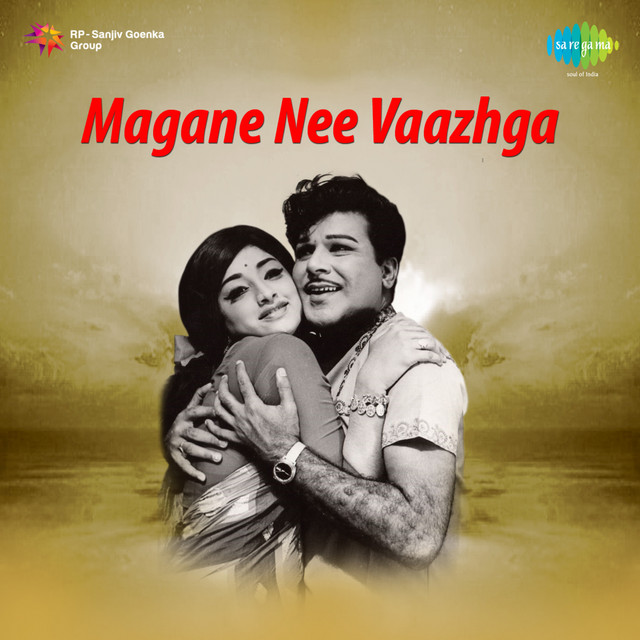
- Magane Nee Vazhga
- Movie release year
- 1969
- Lyrics added on
- 28 Sept 2022
Lyrics & meaning
Beyond the translation
Overall song meaning
'Aarambam sugamaanadhu' from the 1969 film 'Magane Nee Vazhga' celebrates the magical, unpredictable nature of love and human connection. Sung beautifully by P. Susheela with lyrics by Kannadasan, the song describes how strangers from somewhere cross paths and undergo deep emotional transformations. As love blossoms, it brings silent glances, cherished memories, and total self-forgetfulness under the spell of Cupid. Kannadasan uses allegorical expressions to highlight the unpredictability of human desire and destiny, contrasting expectations with reality through the metaphor of a crow claiming a fruit. Set to T. R. Pappa's light, rhythmic melody, the song captures both the euphoria of new beginnings and the bitter-sweet ironies of romance.
Writing craft
Poetic devices
Iyaibu (Rhyming Couplets)
“Aarambam sugamaanadhu / Aanandham manamaanadhu”
Refers to line-ending rhymes like 'sugamaanadhu', 'manamaanadhu', and 'vidhamaanadhu', creating a pleasing musical rhythm.
Urvagam (Metaphor)
“Kaadhal ennum rajangathai”
Metaphorically equating love to an empire or kingdom ('rajangam').
Uvamai / Allegory
“Kaakkai ondru kaathirundhu / Kani eduthu kondathu”
Uses the image of a crow waiting and taking a fruit as a metaphor for unexpected gain or the ironic nature of fate in love.
Monaai (Alliteration)
“Kaadhal ennum rajangathai / Kaipudithu kondathu / Kaakkai ondru kaathirundhu / Kani eduthu kondathu”
Repetition of the initial 'Ka' sound across lines for poetic cadence.
Did you know?
Trivia
Composed by T. R. Pappa for 'Magane Nee Vazhga' (1969), this track showcases Kannadasan's signature philosophical yet romantic lyricism. T. R. Pappa's arrangement incorporates subtle Western rhythm elements popular in late 1960s Tamil cinema alongside classic melodies sung by P. Susheela.
Keep listening
Songs with a similar feeling
From the same album
More songs from Magane Nee Vazhga
View albumSpot an issue?
Help us improve the lyrics or English translation.