Skip to content
Isaimozhi
Lyrics & meaning

Aanaikoru Kalam

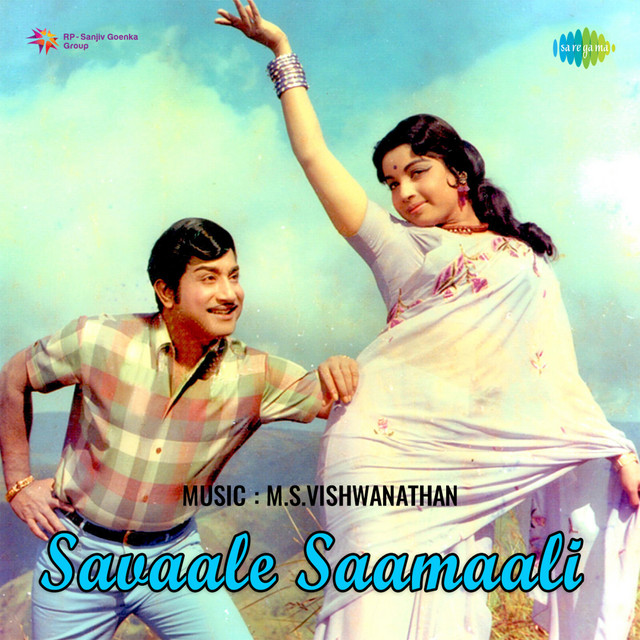
From Savale Samali · 1971

Lyricist
Kannadasan
Singers
T. M. Soundararajan, Chorus
Music director
M. S. Vishwanathan
Details
Savale Samali1971

Lyrics & meaning

Tanglish lyrics English translation
Male
Aanaikkoru kaalam vandhaalIf a time comes for the elephant,
Poonaikkoru kaalam varumA time will surely come for the cat too.
Purinjuko purinjuko purinjukoUnderstand this, understand this, understand this,
Chorus
PurinjukoUnderstand this.
Male
Aanaikkoru kaalam vandhaalIf a time comes for the elephant,
Poonaikkoru kaalam varumA time will surely come for the cat too.
Purinjuko purinjuko purinjukoUnderstand this, understand this, understand this,
Chorus
PurinjukoUnderstand this.
Male
Saenai parivaarathudanThe one who lived like a wealthy lord,
Seemaan pol vaazhndhavanumSurrounded by a grand army and retinue,
Yevanumilla therinjuko therinjukoNone of them remain forever; know this, know this,
Chorus
TherinjukoKnow this.
Male
Saenai parivaarathudanThe one who lived like a wealthy lord,
Seemaan pol vaazhndhavanumSurrounded by a grand army and retinue,
Yevanumilla therinjuko therinjukoNone of them remain forever; know this, know this,
Chorus
TherinjukoKnow this.
Male
Aanaikkoru kaalam vandhaa… aa… aa…If a time comes for the elephant... ah... ah...
Male
Paanai satti kalayathaiyaeLooking at the earthen pots and humble cooking vessels,
Paarthu mugam sulikkiraeYou wrinkle your nose and twist your face in disgust.
Pazhikkirae verukkirae moraikkiraeYou mock them, hate them, and glare at them angrily.
Paanai satti kalayathaiyaeLooking at the earthen pots and humble cooking vessels,
Paarthu mugam sulikkiraeYou wrinkle your nose and twist your face in disgust.
Pazhikkirae verukkirae moraikkiraeYou mock them, hate them, and glare at them angrily.
Male
Aanaiyittu solluren naanI say this with resolute authority:
Adhila unga panathimiraYour pride of money contained within that,
Adaikkiren odukkuaen adakkurenI will break it, suppress it, and subdue it.
Naalai indha ulagamellaamTomorrow, this entire world,
Ezhai kaiyil maari vidumWill turn into the hands of the poor.
Therinjukko therinjukko therinjukkoKnow this, know this, know this.
Chorus
Naalai indha ulagamellaamTomorrow, this entire world,
Ezhai kaiyil maari vidumWill turn into the hands of the poor.
Therinjukko therinjukko therinjukkoKnow this, know this, know this.
Male
Aanaikkoru kaalam vandhaa…If a time comes for the elephant...
Aa… aa… aa…Ah... ah... ah...
Chorus
Thandhaana thandhaana thandhaiyaaThandhaana thandhaana thandhaiyaa (folk rhythm chant)
Thandhaana thandhaana thandhaiyaaThandhaana thandhaana thandhaiyaa
Lalala lalala lalala lalala laalaalaaLalala lalala lalala lalala laalaalaa
Male
Ezhaingha thaan panathil mattumThe poor are lacking only in wealth,
Veredhilum ezhaiyillaeThey are not poor in any other human quality.
Therinjukko therinjukko therinjukkoKnow this, know this, know this.
Kozhaingha thaan kodumai seiyaWhen it comes to committing cruel deeds,
Koosugindra kozhainga thaanThey are cowards who hesitate to do evil.
Kurichuko kurichuko kurichukoNote this down, note this down, note this down.
Chorus
Naalai indha ulagamellaamTomorrow, this entire world,
Ezhai kaiyil maari vidumWill turn into the hands of the poor.
Therinjukko therinjukko therinjukkoKnow this, know this, know this.
Male
Aanaikkoru kaalam vandhaalIf a time comes for the elephant,
Poonaikkoru kaalam varumA time will surely come for the cat too.
Purinjuko purinjuko purinjukoUnderstand this, understand this, understand this,
Chorus
PurinjukoUnderstand this.
Male
Kudisai ellaam madamadannuAll the humble huts, with rapid momentum,
Koottu saendhu osandhidumWill band together and rise up tall,
Gopuramaa gopuramaaLike towering temple spires, like temple spires,
Chorus
GopuramaaLike temple spires!
Male
Kudisai ellaam madamadannuAll the humble huts, with rapid momentum,
Koottu saendhu osandhidumWill band together and rise up tall,
Gopuramaa gopuramaaLike towering temple spires, like temple spires,
Chorus
GopuramaLike temple spires!
Male
Andha gopurathu saami ellaamAnd all the deities residing in those grand temple spires,
Kudisaigalai thaedi varumWill come searching for these humble huts,
Seekiramaa seekiramaa seekiramaaVery soon, very soon, very soon!
Male
Aanaikkoru kaalam vandhaalIf a time comes for the elephant,
Poonaikkoru kaalam varumA time will surely come for the cat too.
Purinjuko purinjuko purinjukoUnderstand this, understand this, understand this,
Chorus
PurinjukoUnderstand this.
Male
Naalai indha ulagamellaamTomorrow, this entire world,
Ezhai kaiyil maari vidumWill turn into the hands of the poor.
Therinjukko therinjukko therinjukkoKnow this, know this, know this,
Chorus
TherinjukkoKnow this.
Chorus
Aa allaek allaek allaek allaekAh allaek allaek allaek allaek! (folk cheer)

Beyond the translation

Song interpretation

Aanaikkoru Kaalam Vandhaal is an iconic social empowerment song from the 1971 Tamil film Savale Samali, written by Kannadasan, set to music by M. S. Viswanathan, and sung by T. M. Soundararajan. The song serves as a passionate rally for social justice, confronting the arrogance of the wealthy elite and asserting that fortune and power are inherently transient. Kannadasan draws upon the ancient Tamil proverb 'Aanaikkoru kaalam vandhaal, poonaikkoru kaalam varum' to proclaim that the prevailing social order will inevitably shift in favor of the downtrodden. Throughout the lyrics, the song emphasizes that poverty is merely a financial condition, not a moral deficiency. The poor possess noble hearts and recoil from committing cruelty, unlike the elite who look down upon humble livelihoods with disdain. Kannadasan envisions a futuristic triumph where collective solidarity among working-class people transforms humble huts into towering pillars of strength, forcing even society's highest rulers and divine forces to seek them out.

Writing craft

Poetic devices

Wordplay / Pun (Slesai)

Aanaikkoru kaalam vandhaal / Poonaikkoru kaalam varum

The proverb plays on the double meaning of 'Aanai' (elephant, or 'Aa + Nai' meaning cow's ghee/fat) and 'Poonai' (cat, or 'Poo + Nai' meaning flower-honey/water), symbolizing the natural ebb and flow of life's fortunes.

Adukku Thodar (Emphatic Repetition)

Purinjuko purinjuko purinjuko

Triplicate repetition of imperative verbs (Purinjuko, Therinjuko, Kurichuko) creates a rhythmic, insistent folk-style call to awareness.

Uruvagam (Metaphor)

Kudisai ellaam madamadannu koottu saendhu osandhidum gopuramaa

Compares the collective rising of humble huts directly to majestic temple towers (Gopuram), symbolizing social elevation.

Iyaibu (End Rhyme)

Pazhikkirae verukkirae moraikkirae

Syllabic rhyming of action verbs ending in '-irae' and '-uren' conveys rhythmic intensity and defiance.

Did you know?

Trivia

Composed by M. S. Viswanathan and rendered with fiery energy by T. M. Soundararajan for actor Sivaji Ganesan, the song revitalized a centuries-old Tamil proverb. While colloquially interpreted as 'If the elephant gets its day, the cat will get its day too', classical scholars split 'Aanai' as 'Aa + Nai' (ghee) which builds body weight during youth, and 'Poonai' as 'Poo + Nai' (honey) which burns fat in old age, metaphorically signifying life's unavoidable self-correcting equilibrium.

Keep listening

More from Savale Samali