Skip to content
Isaimozhi
Lyrics & meaning

Aalaya Maniyin

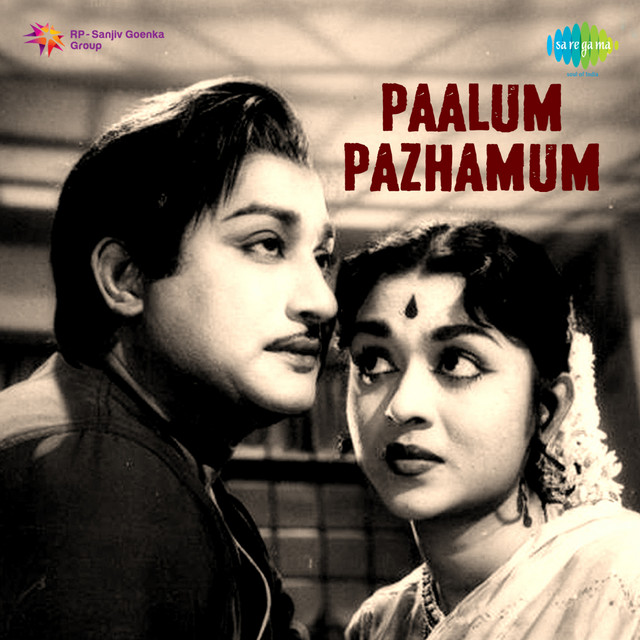
From Palum Pazhamum · 1961

Lyricist
Kannadasan
Singer
P. Susheela
Music director
M. S. Viswanathan Ramamoorthy
Details
Palum Pazhamum1961

Lyrics & meaning

Tanglish lyrics English translation
Female
Aalaya maniyin osaiyaiI heard the sound of the temple bell,
Naan kettenI heard.
Arul mozhi koorum paravaigalThe sound of birds speaking words of grace,
Oli kettenI heard that sound.
Female
Aalaya maniyin osaiyaiI heard the sound of the temple bell,
Naan kettenI heard.
Arul mozhi koorum paravaigalThe sound of birds speaking words of grace,
Oli kettenI heard that sound.
Female
Un iraivan avanae avanae"He is your Lord, He alone,"
Ena paadum oli kettenI heard the sound singing thus.
Un thalaivan avanae avanae"He is your master, He alone,"
Enum thaayin mozhi kettenI heard mother's words saying so.
Female
Aalaya maniyin osaiyaiI heard the sound of the temple bell,
Naan kettenI heard.
Arul mozhi koorum paravaigalThe sound of birds speaking words of grace,
Oli kettenI heard that sound.
Female
Ilagum maalai pozhuthinilaeIn the pleasant evening time,
En iraivan vandhaan thaerinilaeMy Lord arrived on a chariot.
Ilagum maalai pozhuthinilaeIn the pleasant evening time,
En iraivan vandhaan thaerinilaeMy Lord arrived on a chariot.
Yezhaiyin illam idhuvendraanHe said, "This is a poor girl's home,"
Iru vizhiyaalae maalaiyittaanAnd garlanded me with his eyes.
Female
Un iraivan avanae avanae"He is your Lord, He alone,"
Ena paadum oli kettenI heard the sound singing thus.
Un thalaivan avanae avanae"He is your master, He alone,"
Enum thaayin mozhi kettenI heard mother's words saying so.
Female
Aalaya maniyin osaiyaiI heard the sound of the temple bell,
Naan kettenI heard.
Arul mozhi koorum paravaigalThe sound of birds speaking words of grace,
Oli kettenI heard that sound.
Female
Kaadhal koyil naduvinilaeIn the heart of the temple of love,
Karunai dhevan madiyinilaeOn the lap of the merciful God,
Kaadhal koyil naduvinilaeIn the heart of the temple of love,
Karunai dhevan madiyinilaeOn the lap of the merciful God,
Yaarum ariyaa pozhuthinilaeAt a time when no one knew,
Adaikkalam aanen mudivinilaeI found refuge in the end.
Female
Un iraivan avanae avanae"He is your Lord, He alone,"
Ena paadum oli kettenI heard the sound singing thus.
Un thalaivan avanae avanae"He is your master, He alone,"
Enum thaayin mozhi kettenI heard mother's words saying so.
Female
Aalaya maniyin osaiyaiI heard the sound of the temple bell,
Naan kettenI heard.
Arul mozhi koorum paravaigalThe sound of birds speaking words of grace,
Oli kettenI heard that sound.
Female
Hmm..mm…mm…mmm…Hmm..mm...mm...mmm...

Beyond the translation

Song interpretation

Aalaya Maniyin Osaiyai from the classic 1961 film Paalum Pazhamum expresses the deep emotional and spiritual devotion of a woman towards her beloved, elevating romantic love to divine worship. Through nature's echoes—temple bells, singing birds, and twilight surroundings—she receives affirmation that her lover is her ultimate lord and sanctuary.

Writing craft

Poetic devices

Metaphor (Uruvagam)

Kaadhal koyil naduvinilae

Compares romantic love to a temple ('Kaadhal koyil') and the lover to a divine merciful god ('Karunai dhevan').

Personification

Arul mozhi koorum paravaigal

Attributes human speech and spiritual wisdom to birds singing in nature.

Imagery (Visual & Auditory)

Ilagum maalai pozhuthinilae

Creates strong sensory perception through temple bells, birds singing, and the arrival of a chariot at evening twilight.

Anaphora / Repetition (Emoni)

Un iraivan avanae avanae

Emphatic repetition of 'avanae avanae' reinforces absolute certainty and total devotion.

Did you know?

Trivia

Composed by the legendary duo Viswanathan-Ramamoorthy and sung by P. Susheela, this song is considered one of the all-time masterworks of lyricist Kannadasan. Set in a soft melodic raga framework, it remains a landmark track in Tamil cinema history, symbolizing purity and emotional surrender.

Keep listening

More from Palum Pazhamum