Skip to content
Isaimozhi
Lyrics & meaning

Vazhkaiye Vesham

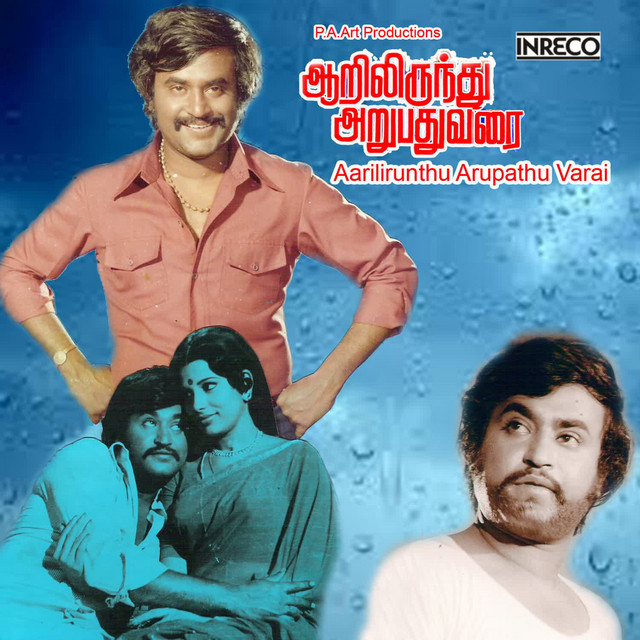
From Aarilirunthu Arubathu Varai · 1979

Lyricist
Panchu Arunachalam
Singer
Jayachandran
Music director
Ilayaraja
Details
Aarilirunthu Arubathu Varai1979

Lyrics & meaning

Tanglish lyrics English translation
Male
: Vaazhkaiyae veshamLife itself is a disguise,
Idhil paasam enna nesam ennaIn this, what is affection, what is love?
Vaazhkaiyae veshamLife itself is a disguise,
Idhil paasam enna nesam ennaIn this, what is affection, what is love?
Kaalathin kolam purinthathuI have understood the pattern of time,
Gyaani thaanae naanumHaven't I become a wise sage myself?
Vaazhkaiyae veshamLife itself is a disguise.
Male
Anbai naan thandhenI gave pure love,
Dhinam aasaiyodu kaaval nindrenEvery day I stood guard with affection.
Sondhamae endrenI called them my own kin,
Avar vaazhvukaaga vaazhnthu vandhenAnd lived my life for their sake.
Male
Nenjilae eeramThe warmth within the heart,
Adhu kaainthu pona paalai thaanaHas that turned into a dried-up desert?
Varanda nilam neerai theduthuParched land searches for water,
Kasantha manam gyaanam pesuthuAn embittered mind preaches wisdom.
Gyaani thaanae naanumHaven't I become a wise sage myself?
Vaazhkaiyae vesham…mm…mm…mm…Life itself is a disguise... mm... mm... mm...
Female
Ye ye ye yea yeaYe ye ye yea yea
Aari ro aari ro aari raaroAari ro aari ro aari raaro
Aari aari raari raari raaroAari aari raari raari raaro
Aari ro aari roAari ro aari ro
Aari ro aari ro aari ro aaraari rooAari ro aari ro aari ro aaraari roo
Male
Malargalai alliHands that scoop up
Tharum kaigal meedhuand give flowers to others
Vaasam serumretain their fragrance.
Mullaiyae kandenYet, I encountered only thorns.
Antha kaayam thanthaThe lesson taught by that wound
Paadam pothumis more than enough.
Male
Kalanguthae kangalMy eyes are welling up with tears,
Naan pona jenmam seidha paavamIs it the sin I committed in my past life?
Ninaiparvargal marantha neramaeIt is a time when those who should remember have forgotten,
Marapadharkku gyaanam vendumaeOne needs wisdom to forget it all.
Gyaani thaanae naanumHaven't I become a wise sage myself?
Male
Vaazhkaiyae veshamLife itself is a disguise,
Idhil paasam enna nesam ennaIn this, what is affection, what is love?
Vaazhkaiyae veshamLife itself is a disguise,
Idhil paasam enna nesam ennaIn this, what is affection, what is love?
Kaalathin kolam purinthathuI have understood the pattern of time,
Gyaani thaanae naanumHaven't I become a wise sage myself?
Vaazhkaiyae vesham…mm…mm…mm…mm…Life itself is a disguise... mm... mm... mm... mm...

Beyond the translation

Song interpretation

This poignant philosophical track reflects deep existential pain, heartbreak, and disillusionment. The protagonist, having sacrificed his entire life and happiness for his family, realizes that worldly relationships and affection are fleeting and superficial. He comes to terms with the harsh truth that selflessness is often met with betrayal and abandonment. Using metaphors of dried deserts and thorn-pricked hands, lyricist Panchu Arunachalam conveys how suffering strips away worldly attachments, forcing a person to mature spiritually. The protagonist melancholically declares himself a 'Gyaani' (wise sage), having gained true wisdom through life's bitterest experiences.

Writing craft

Poetic devices

Metaphor (Uvamai)

Adhu kaainthu pona paalai thaana / Varanda nilam neerai theduthu

Compares the moisture/warmth of human empathy to a parched desert land seeking water.

Contrast / Imagery

Malargalai alli tharum kaigal meedhu vaasam serum / Mullaiyae kanden

Contrasts the fragrance left on hands that offer flowers with the sudden pain of touching thorns, symbolizing good deeds met with betrayal.

Iyaibu (End Rhyme)

Anbai naan thandhen / Sondhamae endren

Rhyming endings across consecutive lines ('thandhen' / 'endren', 'pothum' / 'vendumae').

Irony

Kasantha manam gyaanam pesuthu / Gyaani thaanae naanum

The protagonist calls himself a 'Gyaani' (wise sage), not out of spiritual bliss, but out of forced detachment born from betrayal.

Did you know?

Trivia

From the iconic 1979 film 'Aarilirunthu Arubathu Varai', this track features Rajinikanth in a benchmark dramatic role. Although attributed as unknown in the prompt, the song was composed by maestro Ilaiyaraaja and powerfully rendered by Malaysia Vasudevan, remaining one of the most celebrated philosophical songs in Tamil cinema.

Keep listening

More from Aarilirunthu Arubathu Varai