Skip to content
Isaimozhi
Lyrics & meaning

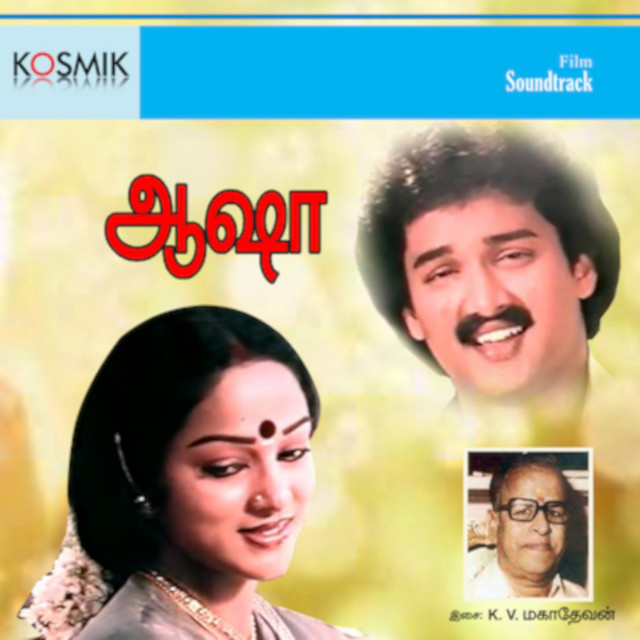
Vaa Vaa Thalaiva

From Asha · 1985

Lyricist
Vaali
Singer
Vani Jairam
Music director
K. V. Mahadevan
Details
Asha1985

Lyrics & meaning

Tanglish lyrics English translation
Female
Vaa vaa thalaivaa edhirpaarththaenCome, come leader, I was waiting for you
Intha veenaiyil unakkaena shuruthi saerththaenIn this veena, I tuned the scale just for you
Female
Vaa vaa thalaivaa edhirpaarththaen…Come, come leader, I was waiting for you...
Intha veenaiyil unakkaena shuruthi saerththaenIn this veena, I tuned the scale just for you
Female
Vaa vaa thalaivaa edhirpaarththaen…Come, come leader, I was waiting for you...
Female
Meettaathiruntha veenai idhuThis is a veena that was left unplayed
Indru meettugiraen dheiva aanai idhuToday I play it, by divine command
Female
Vaa vaa thalaivaa edhirpaarththaen…Come, come leader, I was waiting for you...
Female
Vaazha vanthaen intha vaasalai thediI came to live, seeking this doorstep
Maalaiyudan thirumaangalayam soodiAdorned with a garland and the sacred mangalsutra
Naanirunthaen nalla naayagan koodaI lived peacefully with a good husband
Nee ninaiththaai oru naadagam aadaYou thought of playing a deceitful game
Ninaiththathu polae nadaththiya paaviYou sinner who enacted it just as planned
Needhaan needhaan therinthathaiyaaIt was you, it was you, now I know!
Female
Vaa vaa thalaivaa edhirpaarththaen…Come, come leader, I was waiting for you...
Female
Yaararivaar andru naan patta paaduWho knows the agony I suffered back then?
Vaerinilae sudu neer vittapodhuWhen hot water was poured on my roots
Koodu vittu andru ponathu aaviMy spirit left its body that day
Pona pinnaal ini naanoru deviHaving departed, now I am a goddess
Iruttinil vaazhum tharumangal yaavumAll the righteousness living in darkness
Velichcham kaanum velaiyidhuThis is the time it comes into the light
Female
Mannil paranthu vinnil paranthuFlying over the earth, flying through the sky
Kannil padaamal irunthaenI stayed hidden from your eyes
Thottum thodaamal pattum padaamalTouching yet untouched, felt yet unfelt
Vittum vidaamal thodarnthaenNever letting go, I followed you continuously
Female
Ovvoru naazhiyum thudiththaenI writhed in pain every single moment
Urakkam illamal thaviththaenI suffered restlessly without sleep
Ovvoru naazhiyum thudiththaenI writhed in pain every single moment
Urakkam illamal thaviththaenI suffered restlessly without sleep
Female
Pandiyan sabaiyil needhiyai kettaSeeking justice in the Pandyan king's court
Paththini dheivam kannagi naanI am Kannagi, the divine chaste woman
Kaalam idhuthaan neram idhuthaanThis is the time, this is the hour
Female
Vaa vaa thalaivaa nee vaa….Come, come leader, you come...
Vaa vaa thalaivaa edhirpaarththaen…Come, come leader, I was waiting for you...

Beyond the translation

Song interpretation

The song captures a powerful dramatic theme of vengeance and justice. The protagonist confronts the antagonist who destroyed her peaceful married life through deceit. She describes her extreme suffering using the metaphor of hot water poured over a plant's roots, explaining that her innocent self died that day and was reborn as an unseen, divine entity seeking retribution.

Writing craft

Poetic devices

Metaphor

Meettaathiruntha veenai idhu

Compares herself to an unplayed veena ('Meettaathiruntha veenai idhu') waiting to play music for vengeance under divine command.

Imagery

Vaerinilae sudu neer vittapodhu

Uses vivid imagery of pouring hot water on roots ('Vaerinilae sudu neer vittapodhu') to represent complete, cruel destruction of a happy life.

Alliteration / Rhyme (Emonai & Edhugai)

Thottum thodaamal pattum padaamal

Rhythmic rhyming and contrasting words ('Thottum thodaamal pattum padaamal / Vittum vidaamal thodarnthaen') creating internal rhythm and emphasis.

Classical Allusion

Pandiyan sabaiyil needhiyai ketta / Paththini dheivam kannagi naan

Refers to Kannagi from the Tamil epic Silappatikaram, invoking her iconic demand for justice in the court of the Pandyan king.

Did you know?

Trivia

This song makes explicit reference to the ancient Tamil epic Silappatikaram. Lyricist Vaali frequently used classical literary figures like Kannagi to evoke powerful emotions of righteous wrath and tragic innocence in film music.

Keep listening

More from Asha