Skip to content
Isaimozhi
Lyrics & meaning

Pala Jenmam Jenmanthara

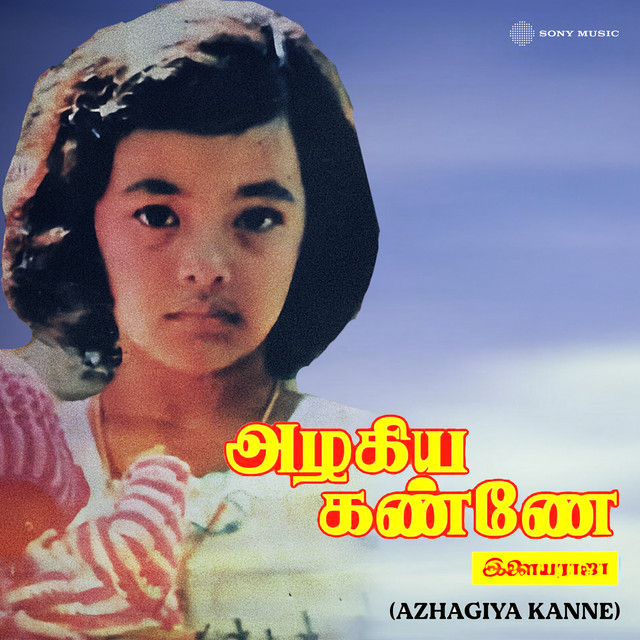
From Azhagiya Kanne · 1982

Lyricist
Vaali
Singer
S. P. Sailaja
Music director
Ilayaraja
Details
Azhagiya Kanne1982

Lyrics & meaning

Tanglish lyrics English translation
Female
Pala jenmam jen maantharaAcross many births and lifetimes,
Panthangal theerppaal ammaa moogaampaalMother Mookambika will resolve all worldly bonds.
Pala jenmam jen maantharaAcross many births and lifetimes,
Panthangal theerppaal ammaa moogaampaalMother Mookambika will resolve all worldly bonds.
Virumbum varangal vazhangum aval poo karangalHer flower-like hands bestow the boons one desires.
Female
Pala jenmam jen maantharaAcross many births and lifetimes,
Panthangal theerppaal ammaa moogaampaalMother Mookambika will resolve all worldly bonds.
Female
Vennthaamaraiyil sinthum thaenthuliyilIn the honey drop dripping from the white lotus,
Pala jeevangal pasiyaarumMany living beings find their hunger satisfied.
Malar poonguzhalaal mani paarvaiyinaalWith her flower-adorned hair and precious glance,
Entha oomaiyum mozhi pesumEven a mute person will speak language.
Female
Sarva saatchiyaai….As the universal witness...
Aa….aa….aa….aa…aa….Aa....aa....aa....aa...aa....
Sarva saatchiyaai….As the universal witness...
Sarva saatchiyaai nindra naayagiThe heroine goddess who stands as the universal witness,
Namangal dhinam dhinam ninaiMeditate upon her divine names day by day.
Female
Pala jenmam jen maantharaAcross many births and lifetimes,
Panthangal theerppaal ammaa moogaampaalMother Mookambika will resolve all worldly bonds.
Female
Thanga vaalirukkum thadantholirukkumShe who wields a golden sword and possesses broad shoulders,
Dharma devathai avalaagumShe is the Goddess of righteousness.
Manam veettrikkum pugazh yaettrikkumShe resides in the mind and elevates one's fame,
Anbu thaayaval arasaangamHer reign is that of a loving mother.
Female
Saththiya roobini…The embodiment of truth...
Aa….aa….aa….aa…aa….Aa....aa....aa....aa...aa....
Saththiya roobini nithya pooraniThe embodiment of truth, eternally complete,
Dheiva maalini soolini thiruvadi thunaiDivine garlanded goddess holding the trident, her sacred feet are our refuge.
Female
Pala jenmam jen maantharaAcross many births and lifetimes,
Panthangal theerppaal ammaa moogaampaalMother Mookambika will resolve all worldly bonds.
Virumbum varangal vazhangum aval poo karangalHer flower-like hands bestow the boons one desires.
Female
Pala jenmam jen maantharaAcross many births and lifetimes,
Panthangal theerppaal ammaa moogaampaalMother Mookambika will resolve all worldly bonds.

Beyond the translation

Song interpretation

This song is a profound devotional hymn dedicated to Goddess Mookambika of Kollur. It praises her divine grace, which liberates devotees from the karmic cycle of birth and rebirth (pala jenmam). The lyrics extol her motherly affection and compassionate gaze that can give speech to the mute and sustain all living beings like sweet honey from a lotus flower. The song celebrates her dual nature as both a gentle mother bestowing boons and a powerful protector equipped with a trident and sword to uphold Dharma. By meditating daily on her divine names, devotees seek refuge at her sacred feet for spiritual liberation and peace.

Writing craft

Poetic devices

Monai (Alliteration)

Pala jenmam jen maanthara / Panthangal theerppaal ammaa moogaampaal

Repetition of the initial consonant sound 'P' across words in the opening line.

Metaphor (Uruvagam)

Virumbum varangal vazhangum aval poo karangal

Comparing the Goddess's soft, tender hands directly to blossoms ('poo karangal').

Iyaibu (Rhyme)

Vennthaamaraiyil sinthum thaenthuliyil / Malar poonguzhalaal mani paarvaiyinaal

End-rhyming with symmetrical rhythm across consecutive lines ('sinthum thaenthuliyil' / 'mani paarvaiyinaal').

Did you know?

Trivia

This song from the 1982 film 'Azhagiya Kanne' pays homage to Goddess Mookambika of Kollur, Karnataka. According to popular legend, Goddess Mookambika restored speech to a mute child, a theme referenced directly in Vaali's line 'Entha oomaiyum mozhi pesum'.

Keep listening

More from Azhagiya Kanne