- Lyricist
- Kabilan
- Singers
- Ilayaraja, Master Yadheeswaran
- Music director
- Ilayaraja
- Movie name
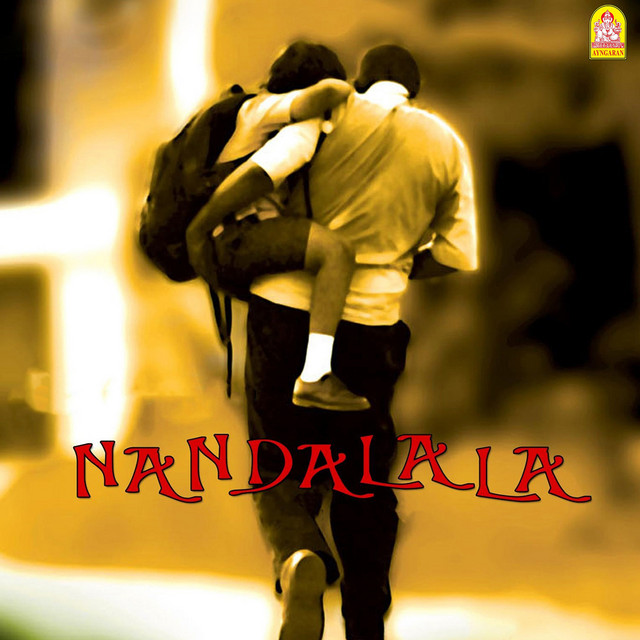
- Nandalala
- Movie release year
- 2009
- Lyrics added on
- 21 Apr 2026
Lyrics & meaning
Beyond the translation
Overall song meaning
This joyful song celebrates the purity, innocence, and carefree playfulness of childhood. It draws a sweet parallel between the mischievous nature of young children and Lord Krishna (Nandalala), the legendary divine child known for his playful antics, flute music, and butter-stealing escapades with his friends.
Writing craft
Poetic devices
Iyaipu (End Rhyme)
“Oru vaandu koottamae thaiyaa thaiyaa koottame / Idhu vaalai neettidum thaiyaa thaiyaa aattamae”
The lines end with rhyming suffixes ('koottame' / 'aattamae'), providing a rhythmic flow.
Uvamai Ani (Simile)
“Pillaiyai pol boomiyilae ini oru deivam irukkadhae”
Direct comparison comparing a child to a living god on Earth using 'pol' (like).
Monai (Initial Rhyme/Alliteration)
“Namakkoru nanban naatinilae / Narunguzhal oothidum nandhalaala”
Repetition of the starting sound 'Na' across the line pair.
Cultural Allusion
“Vennaiayi thirudi thara naangal illaiyaa”
Alludes to the Hindu mythological lore of young Krishna stealing butter with his childhood friends in Gokulam.
Did you know?
Trivia
'Nandalala' (2009), directed by Mysskin, was heavily inspired by Takeshi Kitano's acclaimed Japanese film 'Kikujiro'. Ilaiyaraaja's soundtrack for the film features minimalist, highly emotional compositions, and this particular song captures the spirit of childhood road trips. The song is sung by Ilaiyaraaja himself alongside child singer Master Yadheeswaran to emphasize the bond between adults and children.
Keep listening
Songs with a similar feeling
From the same album
More songs from Nandalala
View albumSpot an issue?
Help us improve the lyrics or English translation.