Skip to content
Isaimozhi
Lyrics & meaning

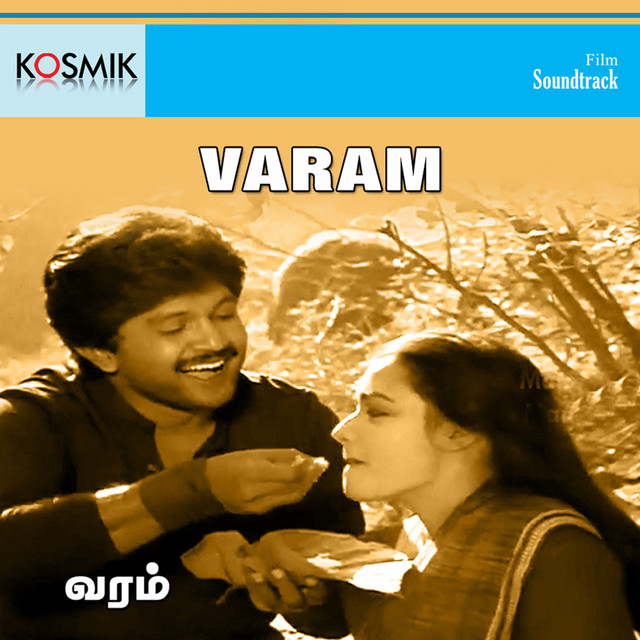
Naan Aada Vandhean

From Varam · 1989

Lyricist
Pulamaipithan
Singer
K. S. Chithra
Music director
M. S. Vishwanathan
Details
Varam1989

Lyrics & meaning

Tanglish lyrics English translation
Female
Naan aada vandhenI came to dance
En kaal irandil katti veitha salangai illaiThere are no anklets tied to my two feet
Naan paada vanthenI came to sing
En paattukku enna raagaminnu vilangavillaiI do not understand what ragam my song is set to
Female
Manasukkullae nerunji mulluThere are puncture-vine thorns inside my heart
Edutheriya ingu neram illaiThere is no time here to pluck them out and throw them away
Manasukkullae nerunji mulluThere are puncture-vine thorns inside my heart
Edutheriya ingu neram illaiThere is no time here to pluck them out and throw them away
Female
Naan aada vandhenI came to dance
En kaal irandil katti veitha salangai illaiThere are no anklets tied to my two feet
Female
Andha aagasa pandhalilae malligapooJasmine flowers in that sky-canopy
Adhai kondaanthu maalai kattum en nenappuMy thoughts bring them to weave a garland
Andha aagasa pandhalilae malligapooJasmine flowers in that sky-canopy
Adhai kondaanthu maalai kattum en nenappuMy thoughts bring them to weave a garland
Female
Ippa ennaachu thappu endraachuWhat happened now? It turned out to be a mistake
Ippa kaagitha poovila vaasanai kandu kondenNow I have found scent in a paper flower
Ingae javvadhu vaasam selladhuThe perfume of javvadhu does not work here
Paavam sandhana maalaiyaisethula veesi vittenPity, I threw a sandalwood garland into the mud
Female
Naan aada vandhenI came to dance
En kaal irandil katti veitha salangai illaiThere are no anklets tied to my two feet
Female
Nenjil kolladha aasaigalai kondu vandhenI brought desires that could not fit in my heart
Adhu selladha kaasunnu naan kondu kondenI realized that they were like invalid coins
Nenjil kolladha aasaigalai kondu vandhenI brought desires that could not fit in my heart
Adhu selladha kaasunnu naan kondu kondenI realized that they were like invalid coins
Female
Indha yemattram nenjil thee moottumThis disappointment lights a fire in my heart
Maangal maamisam thingindra kaalamum vandhadhammaOh mother, a time has come when deer eat meat
Vaazhkai porattam thunbha thaerottamLife is a struggle, a chariot procession of sorrow
Indru atchaya paathiram pichaikku vandhadhammaToday, the inexhaustible vessel has come to beg, oh mother
Female
Naan aada vandhenI came to dance
En kaal irandil katti veitha salangai illaiThere are no anklets tied to my two feet
Naan paada vanthenI came to sing
En paattukku enna raagaminnu vilangavillaiI do not understand what ragam my song is set to

Beyond the translation

Song interpretation

'Naan Aada Vandhen' from the film Varam (1989) is a sorrowful song reflecting on life's bitter ironies, tragedy, and unmet hopes. The protagonist expresses coming to perform life's dance and song, yet lacking the necessary foundation—dancing without anklets and singing without knowing the raga. The song captures the internal pain of carrying emotional thorns that one has no time to remove due to relentless life struggles. Through vivid visual imagery and metaphors—such as expecting fragrance from paper flowers or an inexhaustible divine bowl (Akshaya Patra) reduced to begging—lyricist Pulamaipithan describes the complete inverted nature of an unforgiving reality where pure hopes become worthless currency. Rendered with deep emotional resonance by K. S. Chithra under M. S. Vishwanathan's composition, the track stands as a poignant expression of grief and disillusionment.

Writing craft

Poetic devices

Metaphor (Uruvagam)

Ippa kaagitha poovila vaasanai kandu konden

Comparing futile hopes to finding fragrance in a fake paper flower.

Hyperbole / Surreal Metaphor

Maangal maamisam thingindra kaalamum vandhadhamma

An extreme image depicting an unnaturally harsh era where gentle herbivorous deer eat meat.

Mythological Allusion & Paradox

Indru atchaya paathiram pichaikku vandhadhamma

Referencing the Akshaya Patra (the mythological vessel that provides endless food) begging, symbolizing total downfall and helplessness.

Rhyme & Parallelism (Edhugai / Monai)

Vaazhkai porattam thunbha thaerottam

Rhyming ending structures ('porattam' / 'thaerottam') conveying the dramatic cadence of life's endless grief.

Did you know?

Trivia

Composed by the veteran maestro M. S. Vishwanathan with lyrics by renowned poet Pulamaipithan, this tragic song relies on classical metaphors to highlight life's helplessness, showcasing K. S. Chithra's mastery over evocative pathos.

Keep listening

More from Varam