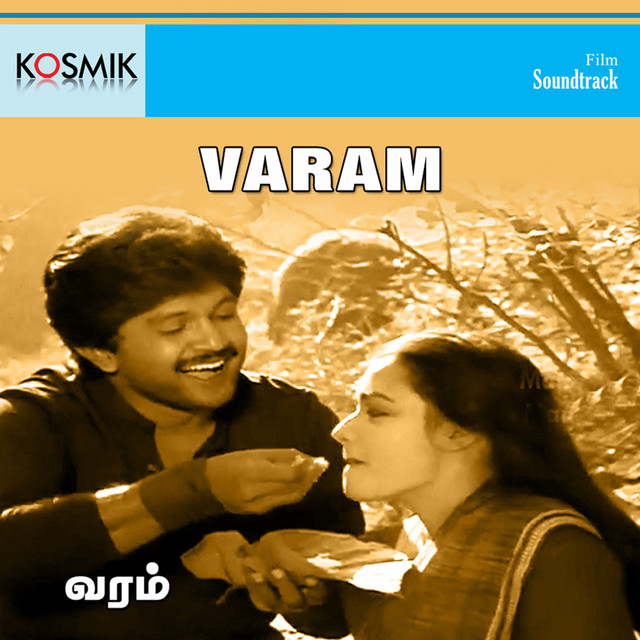
- Lyricist
- Vairamuthu
- Singer
- Mano
- Music director
- M. S. Vishwanathan
- Movie name
- Varam
- Movie release year
- 1989
- Lyrics added on
- 21 Apr 2021
Lyrics & meaning
Beyond the translation
Overall song meaning
'Kanna Kanna Naan' from the 1989 movie Varam is a satirical social commentary song delivered as advice from an elder brotherly figure to a younger child. The speaker sarcastically discourages formal education, claiming that academic degrees are sold like market commodities and obtained through bribes and cheating without genuine learning. He argues that trying to be honest in a corrupt system is pointless. The song extends its criticism to politics, questioning the purpose of numerous political parties and flags, portraying them as licenses for corruption, land grabbing, and personal gain under the guise of public service. Concluding that reforming society is as impossible as straightening a dog's tail, he cynicism-fueled advice encourages the listener to adapt to society's hypocrisy by putting on a facade and shouting false slogans to get ahead in life.
Writing craft
Poetic devices
Proverb / Idiom (Pazhamozhi)
“Idhu naai vaalu eppodhum nimiradhu”
Uses the popular Tamil proverb comparing a hopeless, irredeemable situation or system to a dog's tail that cannot be straightened.
Irony / Satire
“License -eh katchi thannda / Ippa nadellam kollai thaanda”
Employs sharp political irony stating that forming or joining a political party serves as a legal license to loot the country.
Monai (First Letter Harmony / Alliteration)
“Naalai nalla naal pirakkum”
Repetition of the 'Na' sound across consecutive words creates a pleasing rhythmic flow.
Ethukai (Second Letter Rhyming)
“Naatilledhukku katchi ithanai / Roattil edhukku kodigal ithanai”
The second consonant 't' (ட்) rhymes between 'Naat' and 'Roat' across adjacent lines.
Did you know?
Trivia
Composed by M. S. Vishwanathan with lyrics by Vairamuthu and sung by Mano, 'Kanna Kanna Naan' showcases Vairamuthu's signature knack for sharp street-smart political satire. The song reflects the growing disillusionment with the education system and political opportunism in Tamil Nadu during the late 1980s.
Keep listening
Songs with a similar feeling
From the same album
More songs from Varam
View albumSpot an issue?
Help us improve the lyrics or English translation.