Skip to content
Isaimozhi
Lyrics & meaning

Kanne Nee Vaada

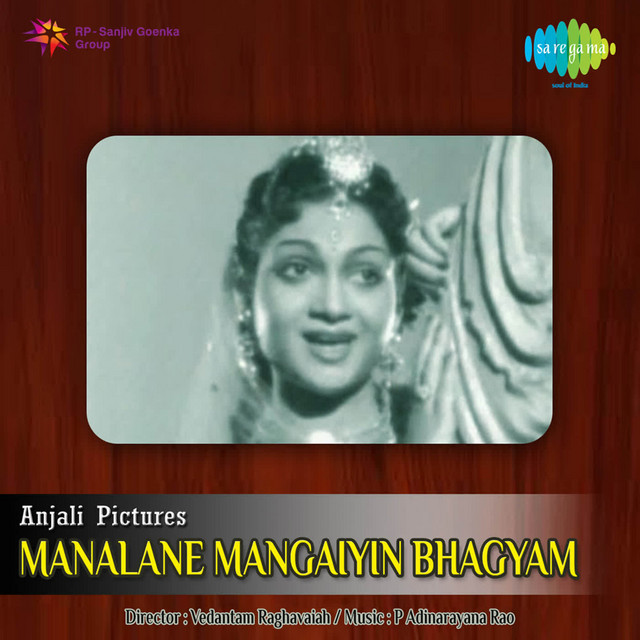
From Manalane Mangaiyin Bakkiam · 1957

Lyricist
Thanjai N. Ramaiah Dass
Singers
P. Susheela, M. S. Ramarao
Music director
P. Aadhinarayana Rao
Details
Manalane Mangaiyin Bakkiam1957

Lyrics & meaning

Tanglish lyrics English translation
Female
Kannae nee vaada kaniyae nee vaadaCome dear, my darling child, come dear, my sweet fruit
En vaazhvin kurai neengaTo remove all the deficiencies in my life
Indrae nee vaada kannae nee vaadaCome today itself, my dear, come my darling
Female
Kaninthenghum thaaiyinOf the mother whose heart overflows with affection
Kali theera vaadaCome to remove her deep sorrow
Kalaimaanai pol thulli kanna nee vaadaPrancing like a deer, my dear child, come
Thavazhndhodi vilaiyaadiCrawling, running, and playing around
Thavamae nee vaadaOh fruit of my penance, come
Kannae nee vaada thaalaeloo thalaelooCome my dear child, lullaby, lullaby
Thaalaeloo thalaelooLullaby, lullaby
Male
Thaalaeloo thalaelooLullaby, lullaby
Kuyilin muttai kaagamaeA cuckoo's egg being fostered by a crow
Adaikaapadhum nijanthaanadaIs indeed true, my child
Hooo ooHooo oo
Kudumbha vilakkaai vilangha vandhaYou who came to shine as the lamp of the family
Kuzhandhaiyae nee yaaradaOh child, who are you really?
Koyil kulamae suthidamaeCleansing the sacred temple grounds
Koduthu ponaandaaHe bestowed you and went away
Aandavan koduthu ponaandaa kannaeGod bestowed you and went away, my dear
Thaalaeloo thalaelooLullaby, lullaby
Female
Thaalaeloo thalaelooLullaby, lullaby
Anaiyaadha jodhi azhagae unnalaeOh eternal unextinction lamp, oh beauty, because of you
Alaimodhum velai varuvaai munnalaeIn times when troubles surge like waves, appear before me
Manadhaara unai endrum magizhven kannalaeWholeheartedly I will always cherish you with my eyes, my dear
Kannae nee vaada kaniyae nee vaadaCome dear, my darling child, come dear, my sweet fruit
Un thaaiyai kaanamal yeno pirindhaaiWithout seeing your mother, why did you separate?
Engae marainthaaiWhere did you go missing?
Male
Kavalaiyaale unnai thediSearching for you in deep anxiety
Kalanguvaal un thaayadaYour mother will be heartbroken, my child
Hoo oo ooooHoo oo oooo
Kabadu therinjidatha kadavulthaane neeyadaYou are an innocent God who knows no deceit
Kandrai pirindhu karavai yengumSeparated from its calf, the milk cow yearns
Kaalam idhu thaandaSuch is this time, my child
Aandavan leelai idhuthaanada kannaeThis is indeed the divine play of the Almighty, my dear
Thaalaeloo thalaelooLullaby, lullaby

Beyond the translation

Song interpretation

This classic lullaby expresses a mother's immense affection, tenderness, and emotional depth toward a child. She affectionately addresses the young child with metaphors like sweet fruit, eternal flame, and the fruit of her devotion, calling the child to play and brighten her life. The song reflects on fate and divine design, comparing emotional separation to a mother cow yearning for her calf, while ultimately praising the pure, innocent nature of childhood as a divine blessing.

Writing craft

Poetic devices

Simile (Upamai)

Kalaimaanai pol thulli kanna nee vaada

Compares the child's energetic bouncing and movement to that of a stag/deer using 'pol'.

Metaphor (Uruvagam)

Kudumbha vilakkaai vilangha vandha

Directly metaphorizes the child as the sacred lamp of the household that brings brightness.

Metaphor (Uruvagam)

Kannae nee vaada kaniyae nee vaada

Addresses the child metaphorically as 'Kani' (sweet fruit) and 'Thavam' (fruit of penance).

Monai (Initial Alliteration)

Kandrai pirindhu karavai yengum

Repetition of the initial 'Ka' sound (Kandrai / Karavai / Kaalam) creating melodic harmony.

Did you know?

Trivia

Manalane Mangaiyin Bakkiam (1957) was a major bilingual hit simultaneously produced in Tamil and Telugu (as Anarkali). The music composed by P. Aadhinarayana Rao and sung by legendary singer P. Susheela remains one of the iconic early lullabies of South Indian cinema.

Keep listening

More from Manalane Mangaiyin Bakkiam