- Lyricist
- Thanjai N. Ramaiah Dass
- Singers
- A. M. Rajah, P. Susheela
- Music director
- Rajeswara Rao
- Movie name
- Missiamma
- Movie release year
- 1955
- Lyrics added on
- 20 Feb 2019
Lyrics & meaning
Beyond the translation
Overall song meaning
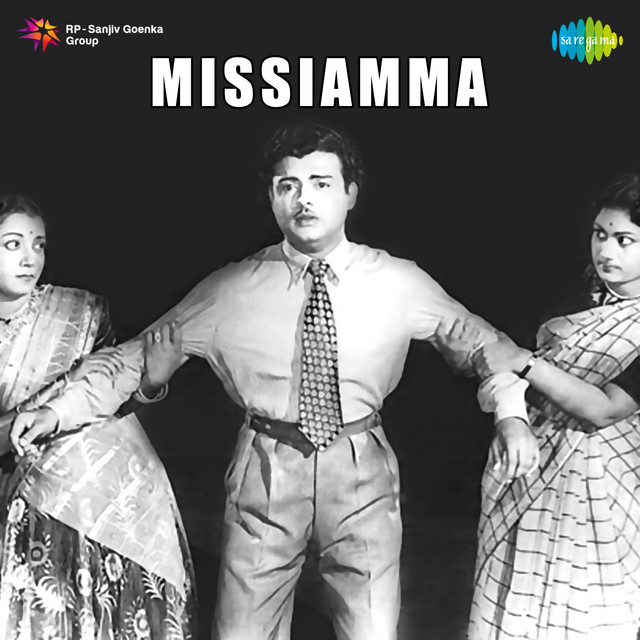
This iconic classic from Missiamma (1955) addresses Radha's feelings of jealousy regarding Lord Krishna's charm. The lyrics gently remind her that Brindavan and Krishna (Nanda's son) represent a universal treasure that belongs to all living beings, rather than any single individual. The song highlights how the divine music of Krishna's flute and his magical playfulness (leelas) naturally captivate every soul, filling hearts with joy and causing the world to swing in love. It conveys that true divine love and beauty are meant to be shared freely without possessiveness.
Writing craft
Poetic devices
Metaphor (Uruvam)
“Yaavarukkum podhu selvamandro”
Krishna and the sacred Brindavan are characterized as 'podhu selvam' (shared treasure) for all humanity.
Rhyme / Edugai (Second-letter agreement)
“Pullaanguzhal isai inimayinaalae / Ullamae jillena thullaadhaa”
The second consonant 'll' (lla) rhymes across the consecutive couplet words 'Pullaanguzhal' and 'Ullamae'.
Rhetorical Question
“Yaar thaan azhaghaal mayangaadhavaro”
The line poses a rhetorical question to Radha, asserting that it is completely natural for anyone to be captivated by divine beauty.
Did you know?
Trivia
Composed by S. Rajeswara Rao with lyrics by Thanjai N. Ramaiah Dass, this timeless duet was originally sung by A. M. Raja and P. Leela. The film Missiamma (1955), starring Gemini Ganesan and Savitri, was simultaneously shot in Telugu as Missamma, where the corresponding Telugu track 'Brindavanamadi Andaridi' achieved equal legendary status.
Keep listening
Songs with a similar feeling
From the same album
More songs from Missiamma
View albumSpot an issue?
Help us improve the lyrics or English translation.