Skip to content
Isaimozhi
Lyrics & meaning

Aattuviththaal Yaaroruvar

From Avandhan Manidhan · 1975

Lyricist
Kannadasan
Singer
T. M. Soundararajan
Music director
M. S. Vishwanathan
Details
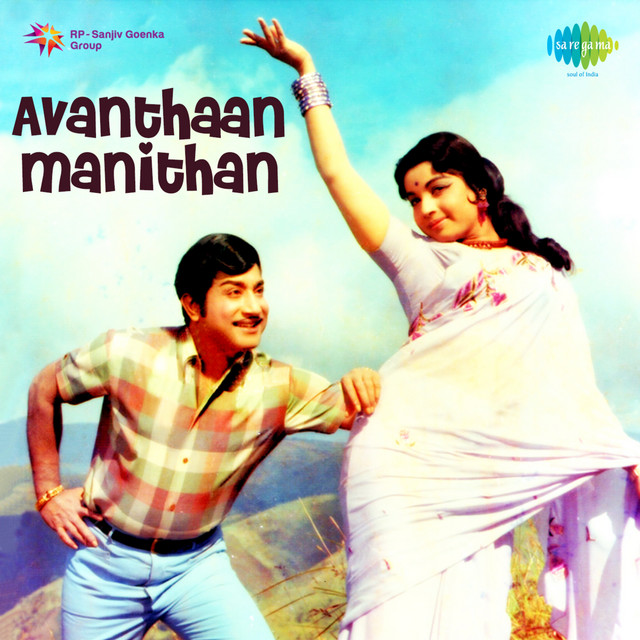
Avandhan Manidhan1975

Lyrics & meaning

Tanglish lyrics English translation
Male
Aattuvithaal yar oruvarIf you make them dance, who is there
Aadaadhaarae kannaaWho will not dance, Oh Krishna?
Aasai ennum thottililaeIn the cradle of desire
Aadaadhaarae kannaaWho will not swing, Oh Krishna?
Male
Aattuvithaal yar oruvarIf you make them dance, who is there
Aadaadhaarae kannaaWho will not dance, Oh Krishna?
Aasai ennum thottililaeIn the cradle of desire
Aadaadhaarae kannaaWho will not swing, Oh Krishna?
Nee nadathum naadagathilIn the drama that you direct
Nanum unduI am also a part
Nee nadathum naadagathilIn the drama that you direct
Nanum unduI am also a part
En nizhalil kooda anubavathilEven in my reflection, through experience
Sogam unduSorrow exists
Pagaivargalai naanum velvenI can defeat my enemies
ArivinaalaeUsing my intellect
Aanaal nanbaridam thotru vittenBut I lost to my friends
PaasathaalaeOut of pure affection
Nanbaridam thotru vitten paasathaalaeI lost to my friends out of affection
Male
Aattuvithaal yar oruvarIf you make them dance, who is there
Aadaadhaarae kannaaWho will not dance, Oh Krishna?
Aasai ennum thottililaeIn the cradle of desire
Aadaadhaarae kannaaWho will not swing, Oh Krishna?
Male
Paanjaali unnidathilPanchali asked of you
Saelai kettaalA drape of garment
Andha paarthanavan unnidathilThat Arjuna asked of you
Geedhai kettaanThe wisdom of Gita
Naanirukkum nilaiyil unnaiIn the state that I am in, from you
Enna kaetppenWhat shall I ask?
Innum nanamai seidhuA heart that keeps doing good
Thunbam vaangumEven while receiving suffering in return
Ullam ketppenThat is the heart I ask for
Nanamai seidhu thunbam vaangumDoing good and receiving suffering
Ullam ketppenThat is the heart I ask for
Male
Aattuvithaal yar oruvarIf you make them dance, who is there
Aadaadhaarae kannaaWho will not dance, Oh Krishna?
Aasai ennum thottililaeIn the cradle of desire
Aadaadhaarae kannaaWho will not swing, Oh Krishna?
Male
Kadalalavu kidaithaalumEven if I gain wealth as vast as the ocean
Mayanga maattenI will not be dazzled
Adhu kaiyalavae aanaalumEven if it shrinks to the size of a handful
Kalanga maattenI will not be distressed
Ullathilae ulladhu thaanWhat resides within the inner self alone is
Ulagam kannaaThe real world, Oh Krishna
Idhai unarndhu kondenHaving realized this
Thunbam ellaamAll suffering
Vilagum kannaaWill fade away, Oh Krishna
Unarndhu konden thunbam ellaamHaving realized this, all suffering
Vilagum kannaaWill fade away, Oh Krishna
Male
Aattuvithaal yar oruvarIf you make them dance, who is there
Aadaadhaarae kannaaWho will not dance, Oh Krishna?
Aasai ennum thottililaeIn the cradle of desire
Aadaadhaarae kannaaWho will not swing, Oh Krishna?

Beyond the translation

Song interpretation

Aattuvithaal Yar Oruvar is a philosophical masterpiece from the movie Avandhan Manidhan (1975), featuring lyrics by Kannadasan. The song explores the concept that human beings are mere puppets in the grand cosmic play directed by Lord Krishna, endlessly swinging in the cradle of desires. The narrator reflects on life's bitter ironies—how intellect enables one to defeat enemies, yet bond and affection make one vulnerable to betrayal by friends. Unlike traditional devotees who pray for material protection like Draupadi or spiritual wisdom like Arjuna, the speaker asks for something far more selfless: a resilient heart that continues to do good even when repaid with pain. Recognizing that true peace comes from equanimity—neither swayed by immense wealth nor troubled by sudden poverty—he realizes that the inner world of the mind defines reality, and understanding this truth dissolves all suffering.

Writing craft

Poetic devices

Metaphor (Uvamaani)

Aasai ennum thottililae

Desire is metaphorically equated to a cradle ('thottil') in which human beings swing endlessly.

Antithesis / Contrast (Muran)

Pagaivargalai naanum velven arivinaalae / Aanaal nanbaridam thotru vitten paasathaalae

Contrasts conquering enemies through intellect with surrendering/losing to loved ones through affection.

Hyperbole & Equanimity (Scale Imagery)

Kadalalavu kidaithaalum mayanga maatten / Adhu kaiyalavae aanaalum kalanga maatten

Uses extreme scales—'ocean size' (abundance) vs 'handful size' (scarcity)—to demonstrate mental balance regardless of material condition.

Monai (Initial Rhyme / Alliteration)

Aattuvithaal yar oruvar / Aadaadhaarae kannaa

Repetition of the initial vowel sound 'Aa' creating rhythmic poetic harmony.

Did you know?

Trivia

This iconic track from Avandhan Manidhan (1975) features music composed by M. S. Viswanathan (MSV) and vocals by T. M. Soundararajan (TMS), picturized on Sivaji Ganesan. Kannadasan wrote these deeply philosophical lines drawing from his personal life experiences of trust, betrayal, and financial hardship, interweaving Vedantic philosophies from the Bhagavad Gita into mainstream Tamil film lyrics.

Keep listening

More from Avandhan Manidhan