Skip to content
Isaimozhi
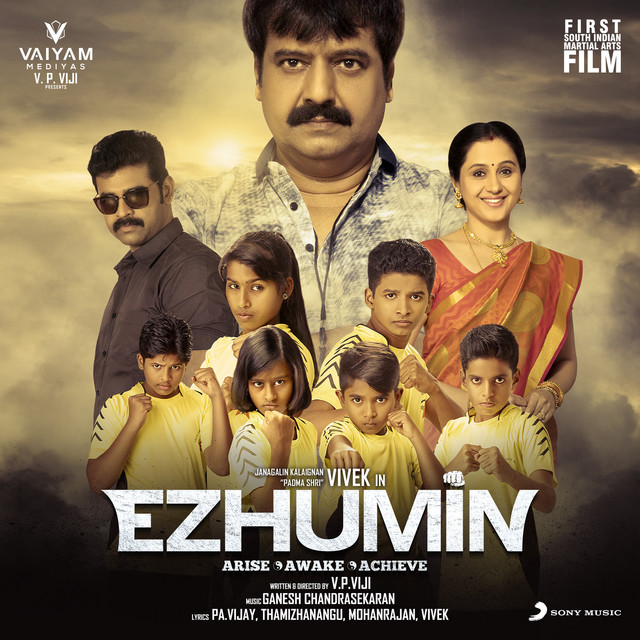
Ezhumin album cover
Lyrics & meaning

Ezhada

From Ezhumin · 2018

Lyricist
Thamizhanangu
Singer
Dhanush
Music director
Ganesh Chandrasekaran
Movie name
Ezhumin
Movie release year
2018
Lyrics added on
1 Jul 2018

Lyrics & meaning

♫ Tanglish lyrics
↻ English translation
Engae nee ponaai
Enai neengi thaanaai
Sollaamal sendraai
En chellamae
Thaayilla pillai
Aanenae naanae
Aaraaro paada
Vaa chellamae
Nee illaa
Vazhkai enakkennada
Nee ponaa pinnae
Naan enna da
Un pinju paatham
Kaanamalae
En nenju suduthae
Aaramalae
Aaraararaaro
Aaraariraaro
Aaraararaaro
Nee thoongada
Aaraararaaro
Aaraariraaro
Aaraararaaro
Naan paadavaa
En thanthai neeyaai
Un pillai naanaai
Un marbin melae
Naan sainthida
Verodu veezhnthen
Kanneeril sainthen
Irullodu vazhkai
Pothum pothum
Ezhada ezhada
Ezhada en maganae
Ezhada ezhada
En chella maganae
Ezhada ezhada
En singa maganae
Ezhada ezhada
En thanga maganae
Ahaa….aaaa…
Ahaa…..aaaa…
Ho hooo..oooo
Aaahaa…oooo
Hmmm …mmm …
Hmmm …mmm
Ahaa…aaaa
Hmmm mmmmm
Aaraararaaro
Aaraariraaro
Aaraararaaro
Nee thoongada
Aaraararaaro
Aaraariraaro
Aaraararaaro
Naan paadavaa
Un thaaiyum naanum
Nee indri naalum
Sellatha vazhvum
Yen vazhnthida
Kaayatha eeram
Aaratha sogam
Yen intha saabam
Podhum podhum
Ezhada ezhada
Ezhada en maganae
Ezhada ezhada
En chella maganae
Ezhada ezhada
En singa maganae
Ezhada ezhada
En thanga maganae
Where have you gone,
leaving me all alone?
You left without a word,
my precious child.
Like a motherless child,
I have been left helpless.
To hear a lullaby,
come back to me, my darling.
Without you,
what does this life mean to me, my child?
After you are gone,
what is left of me, my child?
Without seeing
your tiny little feet,
my heart burns inside,
never cooling down.
Aarararaaro,
Aarariraaro,
Aarararaaro,
sleep peacefully, my child.
Aarararaaro,
Aarariraaro,
Aarararaaro,
let me sing for you.
With you as my father,
and me as your child,
upon your chest
for me to lean my head...
I have fallen, uprooted,
drowning in my tears.
A life in this darkness—
enough, it is enough!
Wake up, wake up,
wake up, my son!
Wake up, wake up,
my darling son!
Wake up, wake up,
my brave lion-like son!
Wake up, wake up,
my golden son!
Aaha... aaaa...
Aaha... aaaa...
Ho ho... ooo...
Aaha... ooo...
Mmm... mmm...
Mmm... mmm...
Aaha... aaaa...
Mmm... mmmmm...
Aarararaaro,
Aarariraaro,
Aarararaaro,
sleep peacefully, my child.
Aarararaaro,
Aarariraaro,
Aarararaaro,
let me sing for you.
Your mother and I,
without you each day,
in a life that cannot move on—
why should we live?
Tears that never dry,
grief that never heals,
why this cruel curse?
Enough, it is enough!
Wake up, wake up,
wake up, my son!
Wake up, wake up,
my darling son!
Wake up, wake up,
my brave lion-like son!
Wake up, wake up,
my golden son!
Male
Male
Male
Male
Male
Male
Male
Male
Male
Male
Male
Male
Male
Male
Male
Male
Male

Beyond the translation

Overall song meaning

This heartbreaking song portrays a father's immense grief and anguish over the loss of his young child. Reversing the traditional lullaby dynamic, the sorrowful father sings to his lost child, expressing how utterly meaningless life feels without him. He describes his tears as unending and his heart as a burning wound that refuses to heal. Throughout the song, the narrative alternates between tender lullaby refrain ('Aaraaro') and desperate pleas for the child to wake up ('Ezhada'). Calling him affectionate terms like 'lion son' and 'golden son', the father struggles to comprehend the tragic curse of outliving his own child, capturing the devastating emotional pain of a grieving parent.

Writing craft

Poetic devices

Metaphor

En singa maganae / En thanga maganae

Compares the child to a lion ('singam') symbolizing bravery/strength and gold ('thangam') symbolizing preciousness.

Iyaipu (End Rhyme)

Ezhada en maganae... En chella maganae... En singa maganae... En thanga maganae

Repetition of the end suffix '-maganae' across consecutive lines creates an emotional rhythm.

Anaphora / Repetition

Ezhada ezhada

The frantic repetition of 'Get up, get up' emphasizes the parent's desperation and refusal to accept tragedy.

Imagery

Kaayatha eeram / Aaratha sogam

Uses vivid sensory imagery of un-drying wetness (tears) and un-healing wounds to convey unending grief.

Did you know?

Trivia

'Ezhumin' (2018) is an Indian Tamil-language martial arts drama film written and directed by VP Viji, starring veteran actors Vivekh and Devayani in central roles. The movie focuses heavily on themes of youth empowerment, self-defense, and child safety.

Keep listening

Songs with a similar feeling

From the same album

More songs from Ezhumin

View album

Spot an issue?

Help us improve the lyrics or English translation.