- Lyricist
- Vaali
- Singer
- S. Janaki
- Music director
- R. Parthasarathy
- Movie name
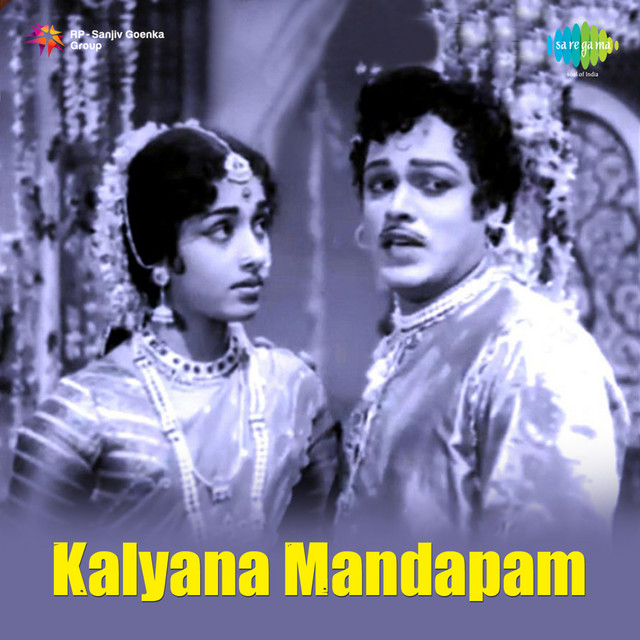
- Kalyana Mandapam
- Movie release year
- 1965
- Lyrics added on
- 13 Jan 2022
Lyrics & meaning
Beyond the translation
Overall song meaning
This poignant lullaby captures the agonizing grief of a mother separated from her newborn child. Though she can see her child in her thoughts and understand his innocent babbling, she laments that her baby cannot see her or comprehend the immense sorrow she is enduring. She recalls the ten months (three hundred days) of pregnancy and penance she underwent to give birth, only to be cruelly separated from her precious infant. Using striking metaphors, she compares her child to a divine deity and herself/her body to a golden temple adorned with diamonds. Just as a temple loses its soul and purpose when separated from its residing deity, her life feels empty and tormented without her son beside her.
Writing craft
Poetic devices
Antithesis / Contrast
“En pillai mugam therigirathu enakku / Un annai mugam therigirathaa unakku”
Contrasts the mother's ability to see and understand her baby with the infant's inability to see her or comprehend her sorrow.
Metaphor
“Thangaththaal koyil katti... Deivaththai naanadainthaen”
Compares the child to a revered deity ('Deivam') and the maternal home/bond to a temple built of gold and diamonds.
Ethirai (Second letter rhyme in Tamil prosody)
“Munbu naan thavamirunthaen / Pinbu unnai naanadainthaen”
The second letters 'n' (ன்) in 'Munbu' and 'Pinbu' form a classic Tamil rhyming structure.
Refrain / Repetition
“Aaraaro aaraaro aaraaro aaraaro…….”
The repetitive chant 'Aaraaro' serves both as a traditional lullaby rhythm and as an emotional anchor emphasizing maternal longing.
Did you know?
Trivia
The film 'Kalyana Mandapam' (1965) featured music composed by R. Parthasarathy with lyrics penned by Vaali. The lullaby format is used ironically to highlight the deep tragedy and emotional distance between mother and child rather than a peaceful sleep.
Keep listening
Songs with a similar feeling
From the same album
More songs from Kalyana Mandapam
View albumSpot an issue?
Help us improve the lyrics or English translation.