Skip to content
Isaimozhi
Lyrics & meaning

Buddan Yesu

From Chandhrodhayam · 1966

Lyricist
Vaali
Singer
T. M. Soundararajan
Music director
M. S. Vishwanathan
Details
Chandhrodhayam1966

Lyrics & meaning

Tanglish lyrics English translation
Male
{ Buthan yesuBuddha, Jesus,
Ganthi piranthadhuAnd Gandhi were born
Boomiyil etharkaagaOn this earth, for what purpose?
Thozha ezhai namakaaga } (2)My friend, it was for us poor people!
Male
Gangai yamunaiGanges, Yamuna,
Kaveri vaigai oduvathuCauvery, and Vaigai flow,
Etharkaaga naalum uzhaithuWhy? For those who labor every day
Thaagam edutha thozhargal namakaagaAnd grow thirsty, for us comrades!
Male
KelvikuripolLike a question mark,
Muthugu valainthuBending our backs,
Uzhaipathu etharkaagaWhy do we toil?
Maanam ondrae perithenaConsidering honor as the ultimate virtue,
Enni pizhaikum namakaagaFor us who live believing so!
Male
Buthan yesuBuddha, Jesus,
Ganthi piranthadhuAnd Gandhi were born
Boomiyil etharkaagaOn this earth, for what purpose?
Thozha ezhai namakaagaMy friend, it was for us poor people!
Male
{ Nizhal vendumbothuWhen shade is needed,
Maram ondru undu pagaiThere is a tree; when enmity
Vanthabothu thunai ondru undu } (2)Arrives, there is a companion.
Male
Irul vanthabothuWhen darkness arrives,
Vilakondru undu ethirkaalamThere is a lamp; a future
Ondru ellorkum unduIs present for everyone.
Male
Unmai enbathuWhat is called truth
Endrum ullathu deivathinIs eternal and is God's
Mozhiyaagum nanmai enbathuOwn language; goodness
Naalai varuvathu nambikai oliyaagumComing tomorrow is the light of hope.
Male
Buthan yesuBuddha, Jesus,
Ganthi piranthadhuAnd Gandhi were born
Boomiyil etharkaagaOn this earth, for what purpose?
Thozha ezhai namakaagaMy friend, it was for us poor people!
Male
{ PorulkondaThose who possess wealth
Pergal manam kondathillaiDo not possess a compassionate heart;
Tharum kaigal thediIn search of giving hands,
Porul vanthathillai } (2)Wealth does not arrive.
Male
Manam endraWhen the heart,
Koyil pirakindra neramAs a temple, comes into being,
Azhaikaamal angaeUninvited to that place,
Deivam vanthu serumGod himself comes to reside.
Male
AzhuthavarThose who cried
Siripathum sirithavarLaughing, and those who laughed
Azhuvathum vithiCrying, is not a path
Vazhi vanthathillaiDictated by fate alone.
Male
OruvanukendraeJust for one person alone,
Ullathu ellam iraivanumEverything that exists, God
ThanthathillaiHas not granted.
Male
Buthan yesuBuddha, Jesus,
Ganthi piranthadhuAnd Gandhi were born
Boomiyil etharkaagaOn this earth, for what purpose?
Thozha ezhai namakaagaMy friend, it was for us poor people!
Male
Gangai yamunaiGanges, Yamuna,
Kaveri vaigai oduvathuCauvery, and Vaigai flow,
Etharkaaga naalum uzhaithuWhy? For those who labor every day
Thaagam edutha thozhargal namakaagaAnd grow thirsty, for us comrades!
Male
Buthan yesuBuddha, Jesus,
Ganthi piranthadhuAnd Gandhi were born
Boomiyil etharkaagaOn this earth, for what purpose?
Thozha ezhai namakaagaMy friend, it was for us poor people!

Beyond the translation

Song interpretation

This philosophical anthem from Chandhrodhayam (1966) offers a powerful message of dignity, justice, and hope for the labor class. The speaker asserts that great spiritual leaders like Buddha, Jesus, and Mahatma Gandhi came into the world to uplift the poor and downtrodden, just as great rivers like the Ganges and Cauvery flow to quench the thirst of hardworking laborers. It celebrates the worker who bends like a question mark in honest toil while holding self-respect above material wealth. The song further observes that wealthy individuals often lack generosity, whereas a kind and welcoming heart serves as a true temple where God chooses to dwell. Reminding listeners that nature's blessings are meant for everyone rather than a privileged few, the lyrics urge the working class to remain hopeful for a brighter, fairer tomorrow.

Writing craft

Poetic devices

Simile (Uvamai)

Kelvikuripol / Muthugu valainthu

Comparing a laborer's bent back during strenuous physical toil to a question mark ('Kelvikuri').

Metaphor (Uruvagam)

Manam endra / Koyil pirakindra neram

Directly metaphorizing a pure, compassionate human heart as a holy temple ('Koyil').

Alliteration (Monai)

Porulkonda / Pergal manam kondathillai

Repetition of the initial 'P' sound ('Porulkonda', 'Pergal') for rhythmic harmony.

Antithesis (Muran)

Azhuthavar / Siripathum sirithavar / Azhuvathum

Contrasting crying ('Azhuthavar') and laughing ('Sirithavar') to highlight changing fortunes.

Did you know?

Trivia

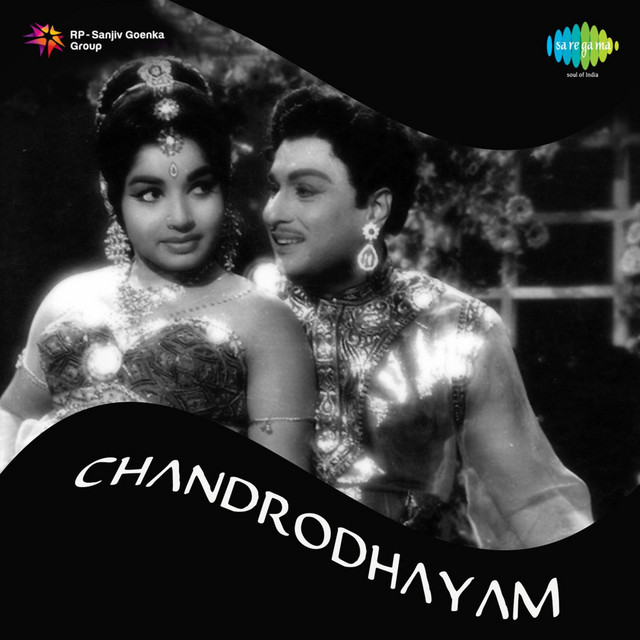
The song is from the 1966 Tamil film Chandhrodhayam starring M. G. Ramachandran (MGR) and Jayalalithaa. Composed by M. S. Viswanathan with lyrics by Vaali and rendered by T. M. Soundararajan, this track is a classic example of MGR's signature messianic songs that built his socio-political identity among the working class.

Keep listening

More from Chandhrodhayam