Skip to content
Isaimozhi
Lyrics & meaning

Amma Illae Appa

From Aayiram Roobai · 1964

Lyricist
Vaali
Singer
S. Janaki
Music director
K. V. Mahadevan
Details
Aayiram Roobai1964

Lyrics & meaning

Tanglish lyrics English translation
Female
Amma illae appa illaeI have no mother, I have no father
Summa vallae sothukku illaeI did not come for fun, I have no food to eat
Amma illae appa illaeI have no mother, I have no father
Summa vallae sothukku illaeI did not come for fun, I have no food to eat
Female
Andavanin pillaigalilAmong the children of God
Naanum oru pillaeI too am a child
Andavanin pillaigalilAmong the children of God
Naanum oru pillaeI too am a child
Female
Piriyamulla punniyavaangaO affectionate and virtuous people
Periya manasu pannungaPlease show your generosity
Piriyamulla punniyavaangaO affectionate and virtuous people
Periya manasu pannungaPlease show your generosity
Sinnansirusu ennaiyumEven me, a little child
Onga mavalai pola ennungaConsider me like your own daughter
Sinnansirusu ennaiyumEven me, a little child
Onga mavalai pola ennungaConsider me like your own daughter
Female
Amma illae appa illaeI have no mother, I have no father
Summa vallae sothukku illaeI did not come for fun, I have no food to eat
Andavanin pillaigalilAmong the children of God
Naanum oru pillaeI too am a child
Female
Aada porandha enakku munnaeBorn to dance, in front of me
Akka oruthi varuvaaaAn elder sister comes along
Aada porandha enakku munnaeBorn to dance, in front of me
Akka oruthi varuvaaaAn elder sister comes along
En kooda porandha paasathinalaeOut of the deep sibling affection for being born together
Usira kooda tharuvaShe would even sacrifice her life
En kooda porandha paasathinalaeOut of the deep sibling affection for being born together
Usira kooda tharuvaShe would even sacrifice her life
Female
Amma illae appa illaeI have no mother, I have no father
Summa vallae sothukku illaeI did not come for fun, I have no food to eat
Amma illae appa illaeI have no mother, I have no father
Summa vallae sothukku illaeI did not come for fun, I have no food to eat
Female
Andavanin pillaigalilAmong the children of God
Naanum oru pillaeI too am a child
Andavanin pillaigalilAmong the children of God
Naanum oru pillaeI too am a child
Female
Karunai ulla manusarellaaamAll human beings who possess compassion
Kadavulukkum melaeAre elevated above God Himself
Avunga kaiyalakkum dharmamellaamThe charity granted by their hands
Paruva mazha polaeIs like the timely seasonal rain

Beyond the translation

Song interpretation

Amma illae appa illae is a deeply emotional song from the 1964 Tamil film Aayiram Roobai, composed by K. V. Mahadevan and written by Vaali. Sung with innocent pathos by S. Janaki, the track depicts an orphaned child appealing to the kindness of passersby. Rather than merely begging, the child highlights the shared human connection, stating that everyone is ultimately a child of the Almighty and asking to be accepted and cared for with compassion. The lyrics beautifully portray sisterly affection and praise generous souls whose acts of charity bring life and comfort, much like timely seasonal rains. Vaali's evocative words combined with Janaki's expressive vocal rendering make this song a timeless reflection on empathy, innocence, and human goodness.

Writing craft

Poetic devices

Monai (Initial Alliteration)

Amma illae appa illae

Repetition of the initial vocalic sound 'A' in 'Amma' and 'appa' creates an immediate rhythmic harmony in the opening line.

Simile (Uwamai)

Paruva mazha polae

The act of charity from compassionate people is directly compared to timely seasonal rains using the comparative marker 'polae'.

Hyperbole (Uyarvu Navitchi)

Karunai ulla manusarellaaam Kadavulukkum melae

Elevating merciful human beings to a stature higher than God Himself to stress the supreme divinity of compassion.

Did you know?

Trivia

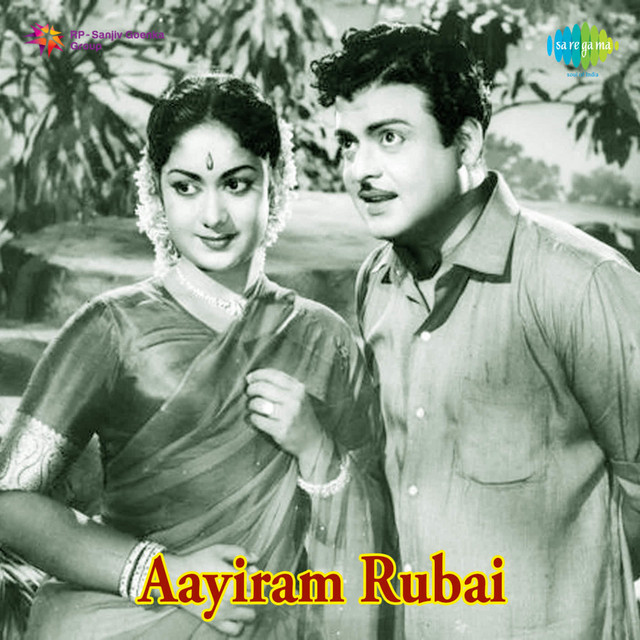
Aayiram Roobai (1964) starred Gemini Ganesan and Savitri. S. Janaki's soul-stirring rendition of this song stands out as one of her early career highlights in expressing childlike innocence and emotional vulnerability.

Keep listening

More from Aayiram Roobai